Budget 2026: six charts that reveal the economic realities facing the chancellor
From tackling the youth jobs crisis to repairing Brexit’s economic damage, John Healey has his work cut out for him John Healey will deliver his first budget on Wednesday as UK households and businesses come under…
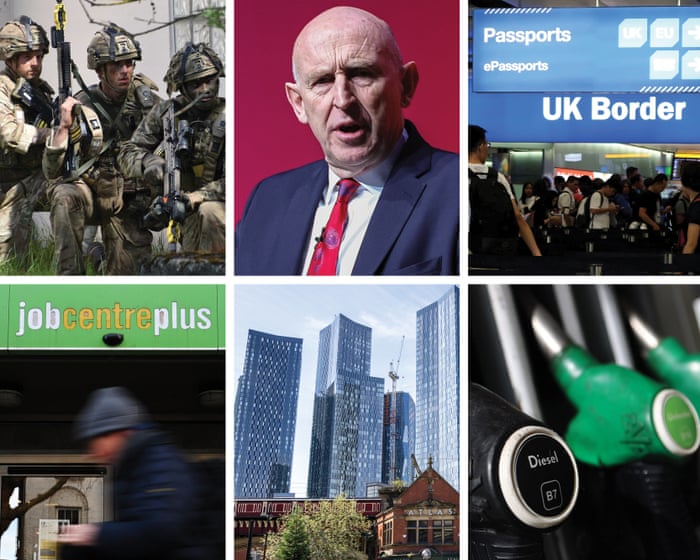
Budget 2026: six charts that reveal the economic realities facing the chancellor From tackling the youth jobs crisis to repairing Brexit’s economic damage, John Healey has his work cut out for him
John Healey will deliver his first budget on Wednesday as UK households and businesses come under pressure from the unfolding economic shock caused by the war in the Middle East.
Against a febrile backdrop in global markets, the chancellor is facing a delicate balancing act to provide “breathing space” measures to ease the cost of living crisis while increasing growth and sticking to the fiscal rules.
Healey will also flesh out Andy Burnham’s pledge to deliver “ good growth in every postcode ”, with measures to hand local leaders more money and power.
Here are six charts that will underpin the chancellor’s decisions.
At the spring statement, Healey’s immediate predecessor, Rachel Reeves, left herself £23.6bn of “headroom” against the fiscal rules, which require day-to-day spending to be matched by receipts by the end of this parliament. However, the buffer is widely expected to have been slashed by a surge in debt interest costs, as the war in the Middle East causes a global inflation shock that is rattling the bond markets.
The Resolution Foundation estimates headroom has been halved to about £12bn. Much will depend on the judgment of the Office for Budget Responsibility (OBR), the independent Treasury watchdog, which will take into account the hit from rising debt costs, but also other positive and negative developments for the public finances – including inflation, pay growth, employment and productivity.
Healey is thought to be willing to allow the buffer to take a hit. However, jittery bond investors will be looking for him to retain some headroom to guard against further negative shocks, with at least £14bn thought to be needed to avoid provoking a bond market reaction.
The chancellor has pledged “breathing space” measures for households and businesses grappling with the cost of living crisis, as the energy price shock fuelled by the Iran conflict hits consumers.
Petrol and diesel prices have surged close to record highs and energy bills are forecast to increase to £2,000 a year from January for the typical household. Since 2021, consumers have paid almost £14,000 on average in additional costs for mortgages, loans, energy and water bills.
Healey is thought to have earmarked more than £1bn to help energy consumers , the bulk of which will go on increasing the discount given to households on certain benefits. He has also vowed to help businesses, and has been urged to extend a cut in fuel duty .
Not cross-checked yet
Only The Guardian reports this story so far. We show it as a single source until another newsroom confirms it.
- The Guardian27 Oct, 19:15
| Publisher The Guardian (reference tier) | +82 |
| Detailed summary | +2 |
| Total | 84 |
Method: reports are grouped by the words of their headline and summary; each newsroom counts once; figures are read from the reports as published. Nothing here is written by an AI.