The United Kingdom wanted to ban the importation of foie gras... But this will no longer be possible due to the agri-food agreement with Europe which is looming
During a summit on Friday between Europe and the United Kingdom, the British Prime Minister is expected to sign an agreement to comply with EU agri-food rules. Many changes are expected on the British side, in…
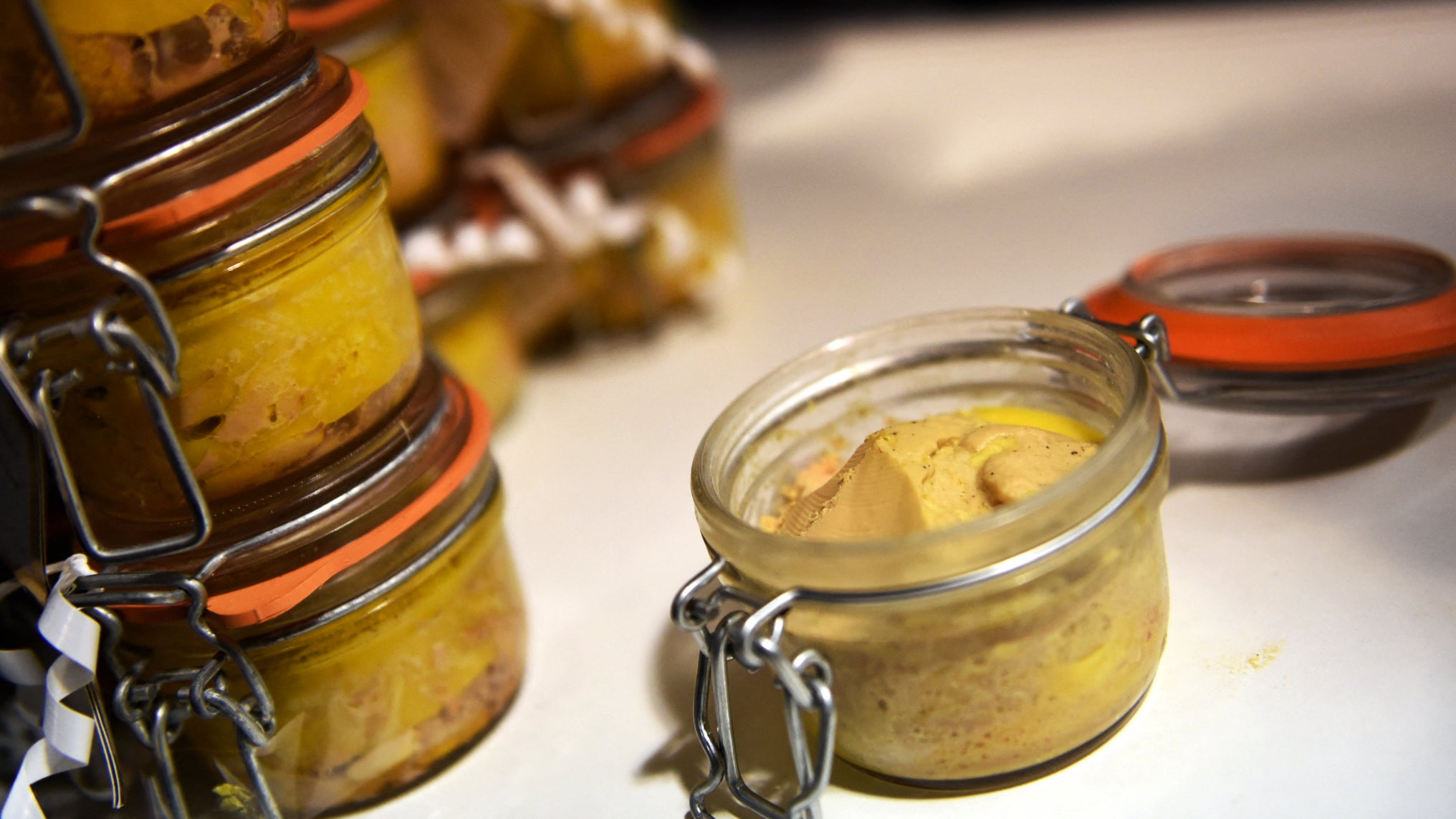
At the next UK-Europe summit, Labor Prime Minister Andy Burnham is expected to sign an agri-food trade deal, aiming to boost exports with the EU. But this project divides. Among the many products affected by the compliance requirements requested by Brussels, it is not so much certain herbicides or cannabis-based products that are attracting criticism, but rather foie gras.
If the country has banned the production of this product on the national territory since 2007, it has never banned its import. However, since the 2024 legislative elections, Steve Reed, then Minister of the Environment, had made it a hobby horse. He even promised a ban on imports, calling the force-feeding of birds “beyond repugnant”.
A promise that this trade agreement, which aims to remove controls and administrative burdens weighing on trade with Great Britain's largest trading partner, would undermine. “Force-feeding is a crime in the UK, and yet we continue to allow foie gras to arrive on our shores,” said Abigail Penny, executive director of campaign group Animal Equality UK. If the text is not yet signed, it is already divisive.
Animal rights activists fiercely oppose it, but for some farm unions it is seen as an opportunity for farmers to recoup trade lost after Brexit. For example, meat exports to the EU fell by around 15% between 2019 and 2023. A transition period The United Kingdom will be able to maintain its ban on the production of foie gras on national territory, as well as a post-Brexit ban on the transport of live animals, but it will have to change its practices for other products.
As such, people close to the negotiations, interviewed by the Financial Times, indicated that the UK had been granted transition periods to give companies time to phase out products approved in the UK but not in the EU. This concerns in particular CBD-based products, which can contain up to five times the EU daily limit, but also certain herbicides whose use will be prohibited after a transition period of up to 21 months depending on the product. “Implementing this major deal will involve complexities, including adapting our rules where the EU and UK have diverged in recent years,” said Jim Bligh, director of public affairs at the British Retail Consortium, which represents supermarkets.
According to a spokesperson for the UK's Department of the Environment, updating national legislation to comply with changing EU rules, called "dynamic alignment", is expected to "boost the UK economy by £5 billion a year and support UK businesses and jobs".
Machine-translated from French
Not cross-checked yet
Only BFM Business reports this story so far. We show it as a single source until another newsroom confirms it.
- BFM Business18 Nov, 17:55
| Publisher BFM Business (established tier) | +76 |
| Detailed summary | +2 |
| Total | 78 |
Method: reports are grouped by the words of their headline and summary; each newsroom counts once; figures are read from the reports as published. Nothing here is written by an AI.