The RBA is split over the inflationary effects of the latest rate hike. For Australians, it’s a bitter pill
The country’s economic outlook makes for grim reading – with two major exceptions Financial markets and economists were of one mind that the Reserve Bank of Australia (RBA) would this week announce yet another rate…
The RBA is split over the inflationary effects of the latest rate hike. For Australians, it’s a bitter pill Nicki Hutley The country’s economic outlook makes for grim reading – with two major exceptions
F inancial markets and economists were of one mind that the Reserve Bank of Australia (RBA) would this week announce yet another rate hike, its fifth in this cycle, and they did. But it’s probably worth focusing on the fact that three of the nine monetary board members voted to keep rates on hold.
To be clear, it’s likely the dissenters agreed that inflation remains too high at present: it clearly is. Underlying inflation, the best indicator of price pressures, has been outside the RBA’s target band (of 2% to 3%) for almost all of the past four years . The dissenters may well have been equally uncomfortable with the increase in inflationary expectations, which jumped up to 5.3% in October.
When people expect inflation to be higher, it can allow businesses to more easily pass on price increases – a vicious cycle.
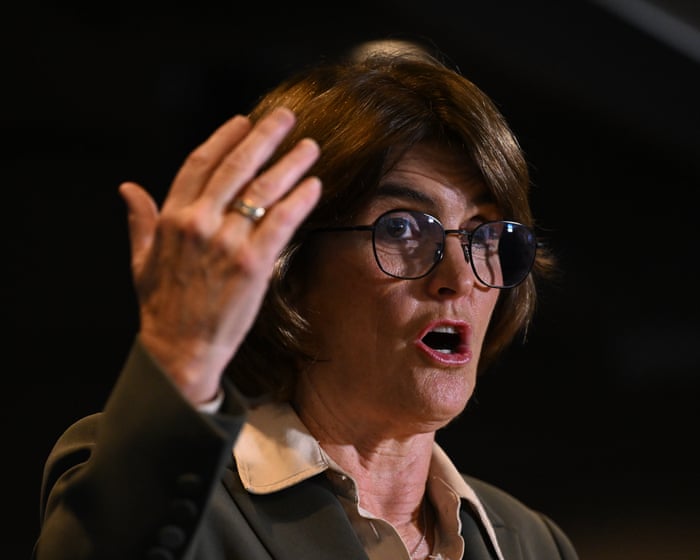
Rather, as the governor made clear in her press conference after the decision was announced, the three mavericks felt that the downside risks to the economy from previous rate rises (and likely many other factors) were already large and that yet another increase would risk leaving the Australian economy too weak. The RBA disagrees and thinks the upside risks to inflation are the main game.
The press conference showed little nuance, or even respect, for those downside risks.
Economics is always about tradeoffs. Since the pandemic, the RBA has tried to stay on its “narrow path”, balancing growth (and employment) goals against inflation targets.
With both inflation and unemployment rising, it’s hard to say they are achieving either goal – but hindsight is a wonderful thing. So now our central bankers are telling us there’s to be no more mollycoddling: we will take our medicine until we recover, and it’s bitter medicine indeed.
The RBA’s latest forecasts in the accompanying November statement on monetary policy make for some grim reading. Overall economic growth is now expected to slow from 1.6% this financial year to just 1.3% over 2027-28. That implies that growth in per capita GDP (our individual slice of the collective economic pie) will, at best, be flat. Meanwhile, the overall pie only increases as a result of population growth.
Not cross-checked yet
Only The Guardian reports this story so far. We show it as a single source until another newsroom confirms it.
- The Guardian3 Nov, 15:00
| Publisher The Guardian (reference tier) | +82 |
| Detailed summary | +2 |
| Total | 84 |
Method: reports are grouped by the words of their headline and summary; each newsroom counts once; figures are read from the reports as published. Nothing here is written by an AI.