It was to concern pastries, pastries and other industrial cakes: MEPs reject the creation of a tax on sweet products
During the examination of the Social Security budget, deputies rejected the creation of a tax on sugary products aimed at combating chronic diseases associated with excess sugar.
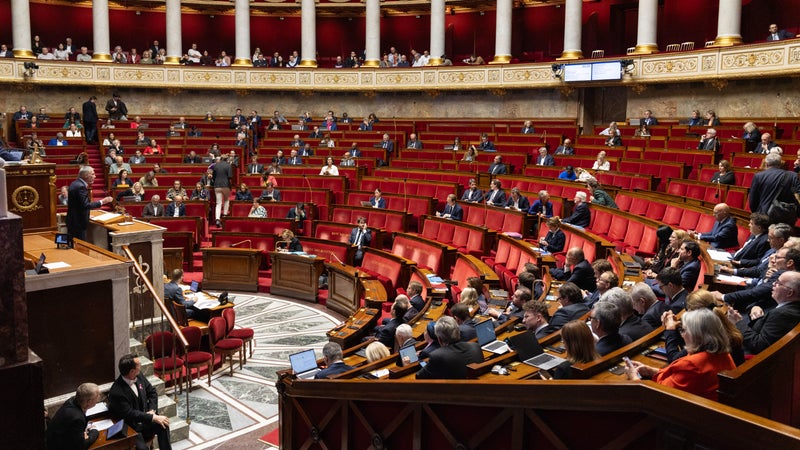
This Thursday, MPs rejected the creation of a tax on sugary products aimed at combating chronic diseases associated with excess sugar, during the examination of the Social Security budget for 2027. The measure is intended to push manufacturers to reduce the level of sugar in their recipes, but it arouses an outcry from them. The vote is far from final: the adoption of the Social Security budget by the deputies during this first reading seems highly improbable and the text will also have to be discussed in the Senate.
On Thursday, the deputies Les Républicains, RN and their Ciottist allies unanimously voted for amendments deleting the measure, adopted by 86 votes to 58. The MoDem, LFI, socialist, ecologists and independent Liot deputies opposed the deletion of this article from the text, while the Horizons and Renaissance groups were divided. The government has planned in its text to introduce a tax on "prepackaged processed products" richest in sugar, in particular pastries, pastries, biscuits and industrial cakes, breakfast cereals, ice creams, cereal bars, as well as confectionery and chocolate products.
Levels are intended to encourage manufacturers to change the formulation of their products and ultimately to fight against associated diseases (cardiovascular diseases, diabetes, etc.). “This article is about preventing the occurrence of new patients,” launched Cyrille Isaac-Sibille (MoDem).
A tax "not sufficiently disincentivizing" But this tax "is not sufficiently disincentivizing to bring about a change in consumption" and "will strain the purchasing power of our fellow citizens", criticized Justine Gruet (LR), insisting instead on the importance of food education. “You want to index the financing of Social Security on taxes, that is to say on consumption”, therefore “fluctuating resources”, criticized Christophe Bentz (RN), whose group was particularly mobilized in terms of the number of deputies. For a packet of cakes, the tax would represent less than eight euro cents, replied the Minister of Health, Stéphanie Rist.
And this only “if the manufacturer refuses to reduce its quantity of sugar a little bit. So no, it is not a subject of purchasing power,” she added. The expected yield from the tax is estimated at around 300 million euros by the government.
The minister declared that the already existing "soda tax" had led to a reduction in the quantity of sugar in these sodas by manufacturers. While “80%” of children “today consume a quantity of sugar which exceeds the maximum”, this tool “has shown its effectiveness”, she insisted.
Machine-translated from French
Not cross-checked yet
Only BFM Business reports this story so far. We show it as a single source until another newsroom confirms it.
- BFM Business22 Oct, 20:57
| Publisher BFM Business (established tier) | +76 |
| Detailed summary | +2 |
| Total | 78 |
Method: reports are grouped by the words of their headline and summary; each newsroom counts once; figures are read from the reports as published. Nothing here is written by an AI.