Fuel prices are expected to continue their decline: the barrel briefly fell below $90, which has not happened since August
The barrel of Brent continues to fall, against a backdrop of optimism between the United States and Iran, after Donald Trump deemed a resumption of war “very unlikely”. It even briefly fell below $90 around 9:05 a.m.
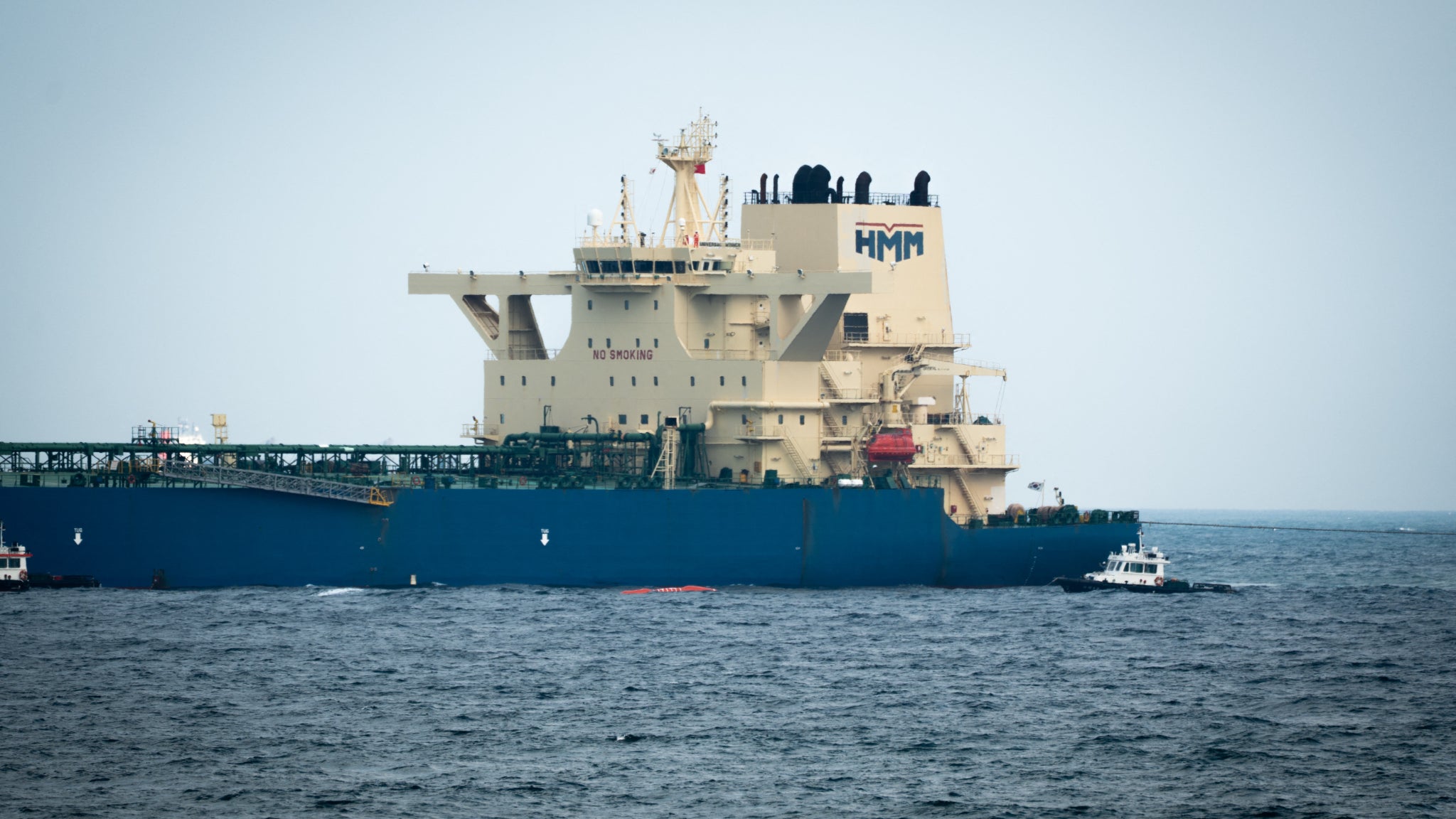
It briefly fell below the symbolic threshold of 90 dollars this Tuesday, November 10. A level below which it had not fallen since the end of August. The barrel of Brent continues its decline that began last week and the rout of Donald Trump in the mid-term elections.
A trend which is observed against a backdrop of optimism between Washington and Tehran. After falling to $89.66, around 9:05 a.m. GMT (10:05 a.m. in Paris), the price of a barrel of Brent from the North Sea, for delivery in January, stood at $90.33, down 2.42%. Its American equivalent, a barrel of West Texas Intermediate, for delivery in December, fell 2.29% to $84.86.
On Monday, the President of the United States considered a resumption of the war in Iran "very unlikely", a conflict particularly responsible for the surge in oil and energy prices this year. The White House tenant said he saw “positive momentum” in favor of an agreement to end this war. While there has been a lull since September, he nevertheless affirmed that he could order a resumption of fighting if the situation evolved, "but we really hit them hard."
Meeting on the Near and Middle East on the sidelines of the G7 in Paris Furthermore, a meeting on the situation in the Near and Middle East is being held this Tuesday in Paris between four European Ministers of Foreign Affairs and their counterparts from Qatar and Saudi Arabia. It is being held at the initiative of the head of French diplomacy Jean-Noël Barrot "on the sidelines of the G7 ministerial meeting" and will be focused "in particular on the Iranian crisis and its security and economic repercussions, for the region as well as for the entire international community", specified the Quai d'Orsay. Three other G7 ministers, Johann Wadephul (Germany), Ed Miliband (United Kingdom) and Antonio Tajani (Italy) are participating in this meeting alongside Saudi Prince Faisal bin Farhan Al Saud and Qatari Sheikh Mohammed bin Abdulrahman Al Thani.
This meeting is being held while since October, Saudi Arabia - and in particular its oil infrastructure and its airports - has been targeted almost daily by fire from the Houthis, who are fighting the Yemeni government supported since 2015 by a military coalition led by the kingdom. The conflict in Yemen resumed in July after four years of calm, opening a new front in the war in the Middle East, triggered by American-Israeli strikes on Tehran at the end of February.
Machine-translated from French
Not cross-checked yet
Only BFM Business reports this story so far. We show it as a single source until another newsroom confirms it.
- BFM Business10 Nov, 10:34
| Publisher BFM Business (established tier) | +76 |
| Detailed summary | +2 |
| Total | 78 |
Method: reports are grouped by the words of their headline and summary; each newsroom counts once; figures are read from the reports as published. Nothing here is written by an AI.