Imported parcels: what will the “handling fees” imposed by the EU from November 1, in addition to the “small parcel” tax, change?
Amounting 2 euros, these fees will be added to the European tax of 3 euros on “small parcels”, imposed since July on imported packages with a value of less than 150 euros. They may be billed to consumers when paying…
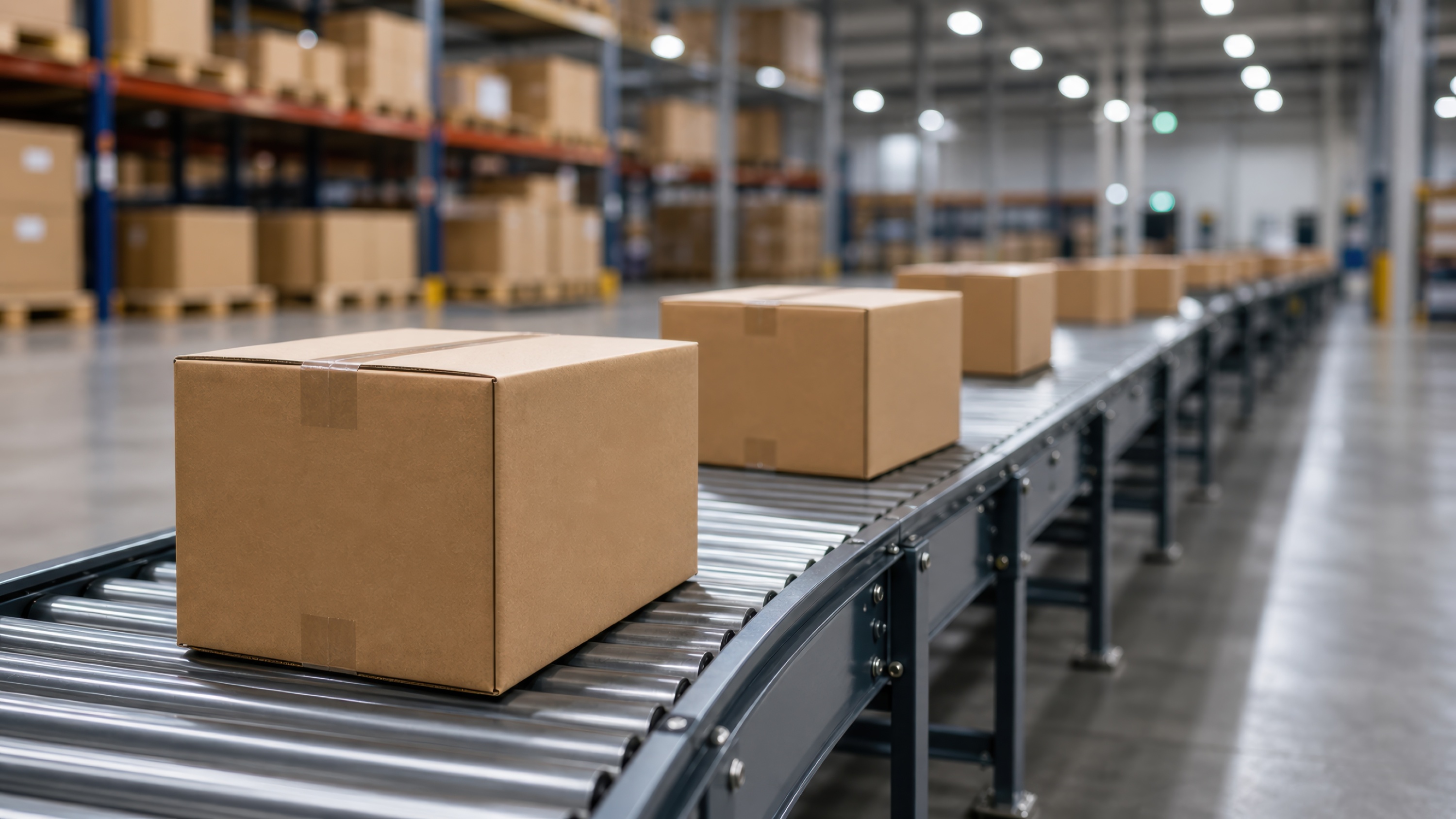
To reduce the avalanche of Chinese products purchased on the internet, and strengthen controls, “processing fees” of 2 euros will apply from Sunday November 1 on packages imported into the European Union. They will be added to the European tax on small imported parcels, in force since July. As “Black Friday” and Christmas approach, key periods for online purchases, here is what you need to know about this measure which is added to the European tax of 3 euros on “small parcels”.
How do these “processing fees” work? These 'EU processing fees' apply from 1 November to all shipments arriving in the European Union from a third country, made within the framework of 'distance sales', regardless of the value of the items ordered. In the amount of 2 euros, they are added to the tax of 3 euros, imposed since July on imported packages with a value of less than 150 euros.
Just like this tax specific to “small packages”, processing fees are payable for each category of items contained in the same package. For example: if a shipment contains twenty caps (regardless of the brand or model), they amount to 2 euros and if a package contains three caps, four t-shirts and two belts, they reach a total of 6 euros (because three different categories of products). This unintuitive calculation is linked to the way products are declared to customs.
Who will pay these costs? Just like the “small parcel tax”, European legislation specifies that it is up to the platforms, sellers or their intermediaries to pay these costs, even if they can be billed to consumers when paying for their order, provided they are duly informed. But as the European Consumer Organization (BEUC) pointed out on Monday, these costs should not be claimed from buyers after the fact by postal services or delivery companies.
The European Consumer Center warned in October about delivery fraud attempts which involve a “so-called delivery person asking you to pay additional costs to collect your package”. This vigilance should also be adopted regarding these new fees. Why this new measure?
It aims to finance a strengthening of customs controls, in the face of the surge on European territory of Chinese products, purchased via platforms based in Asia. Nearly 5.9 billion small parcels entered the EU in 2025, or more than 180 every second. This is four times more than in 2022.
Of this total, 93% came from China, generally via sites like Shein, Temu or AliExpress. Faced with such an avalanche of goods, which is widening the European trade deficit, it is impossible to systematically control packages. This allows dangerous or counterfeit products to slip through the cracks.
European industrialists and traders have long denounced unfair competition and several countries, led by France, have pushed the EU to act to stem the phenomenon. The 3 euro tax has already had significant effects: since July, the flow of small parcels has fallen by around 64%, although Brussels warns that it is too early to draw conclusions. What are the next steps?
Machine-translated from French
Why it is marked verified
2 independent newsrooms report this story. Franceinfo published it first, 3 h before the last one.
- Franceinfo26 Oct, 15:04From November 1, small imported packages will be taxed more ↗Figures: 2 euros · 3 euros
- Le Figaro26 Oct, 17:55Imported parcels: what will the “handling fees” imposed by the EU from November 1, in addition to the “small parcel” tax, change? ↗Figures: 2 euros · 3 euros · 150 euros
- Le Figaro : 2 euros, 3 euros, 150 euros · Franceinfo : 2 euros, 3 euros
Often a different date or scope: open the reports to compare.
| Publisher Le Figaro (established tier) | +76 |
| Detailed summary | +2 |
| Carried by 2 newsrooms | +5 |