Ginesis Finance: at the heart of the transformation of financial departments
Specializing in the transformation of financial departments, the independent consulting firm Ginesis Finance has been supporting large public and private companies, particularly CAC 40 and SBF 120, for over 20 years,…
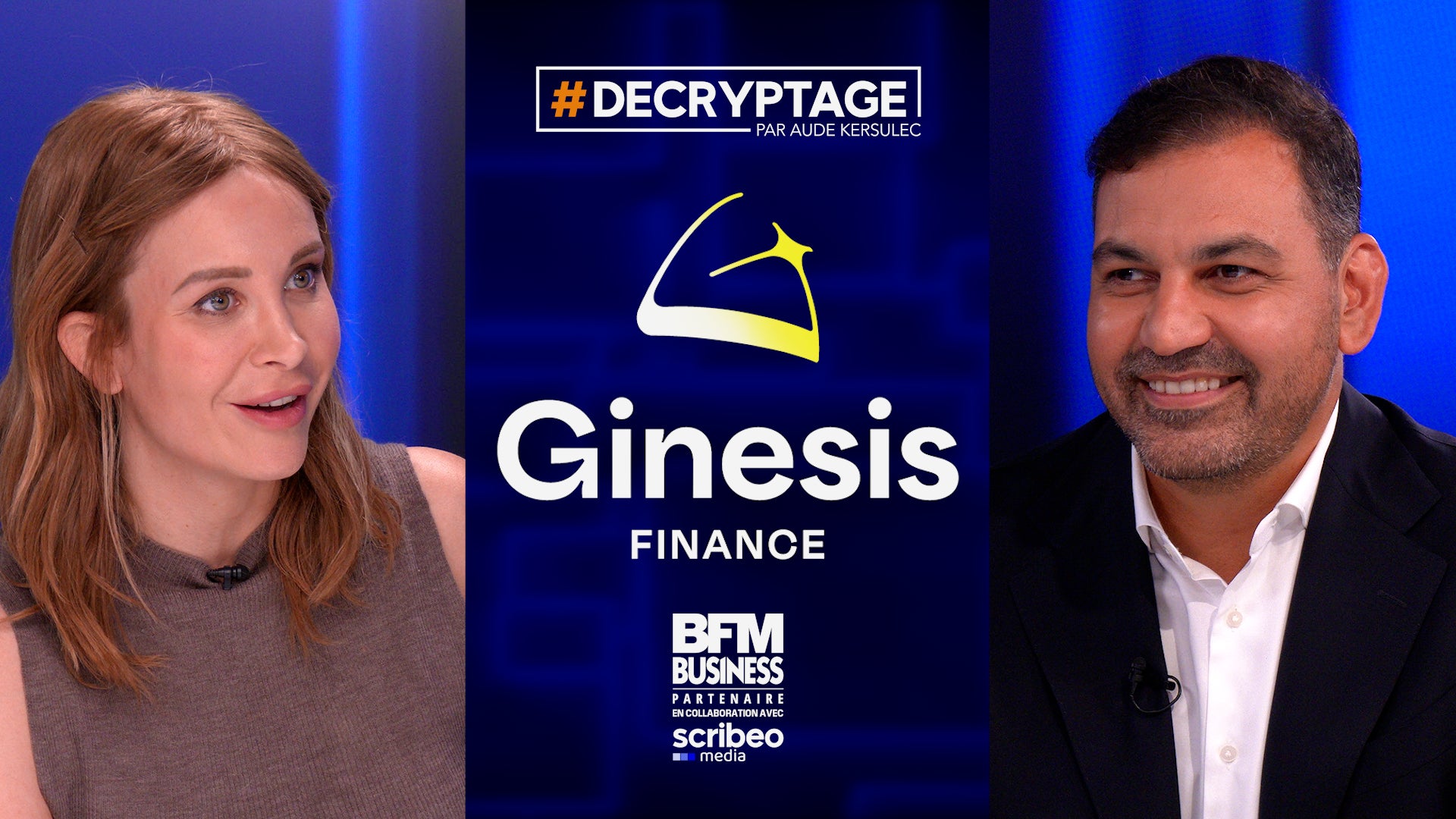
Why are we talking today about a revolution in the finance function? For years, finance was mainly focused on producing reliable figures. We closed, we consolidated, we analyzed, then we decided.
But the world has accelerated. Crises follow one another, markets evolve faster and data volumes explode. Today, leaders are no longer just waiting to be told what happened last month.
They want to understand what is happening and, above all, anticipate what will happen. Finance becomes a strategic decision-making player. With more than 250 consultants combining finance expertise, project management and information systems, our conviction is simple: technology only has value when it meets a concrete business need and helps finance teams better manage their business.
What is the main challenge facing financial departments today? The paradox is quite simple: companies have never had so much data and yet they have rarely had so much difficulty using it. The systems have piled up over the years.
There are ERPs, reporting tools, Excel files, databases and often few connections between them. Result: a lot of energy is spent reconciling data rather than creating value with it. The real challenge is therefore no longer to produce more information, but to make the data coherent, reliable and usable in real time.
Why is the traditional financial model reaching its limits? Because it was designed for a more stable world than the one we live in today. The historical model works sequentially: we record, we close, we consolidate then we analyze.
But managers now need continuous information. When a strategic decision must be made, waiting several weeks to obtain a consolidated vision is no longer acceptable. Successful companies therefore seek to connect operations, management and forecasting in the same, much more fluid data flow.
Will artificial intelligence replace finance teams? I think the real question is not that of replacement but that of increase. AI excels at reconciliations, anomaly detection or the analysis of large volumes of data.
On the other hand, it does not replace judgment, understanding of the context, or responsibility for the decision. What we are observing today is above all an evolution of professions: teams spend less time producing information and more interpreting it, challenging scenarios and supporting the company's decisions. Can we use AI without having transformed our data?
This is probably one of the biggest mistakes you can make. Artificial intelligence is only effective if the data that feeds it is reliable. If the data is fragmented, inconsistent or of poor quality, the AI will simply go faster to produce erroneous results.
Machine-translated from French
Not cross-checked yet
Only BFM Business reports this story so far. We show it as a single source until another newsroom confirms it.
- BFM Business9 Nov, 09:00
| Publisher BFM Business (established tier) | +76 |
| Detailed summary | +2 |
| Total | 78 |
Method: reports are grouped by the words of their headline and summary; each newsroom counts once; figures are read from the reports as published. Nothing here is written by an AI.