Oil declines, profit-taking and dialogue in the Middle East
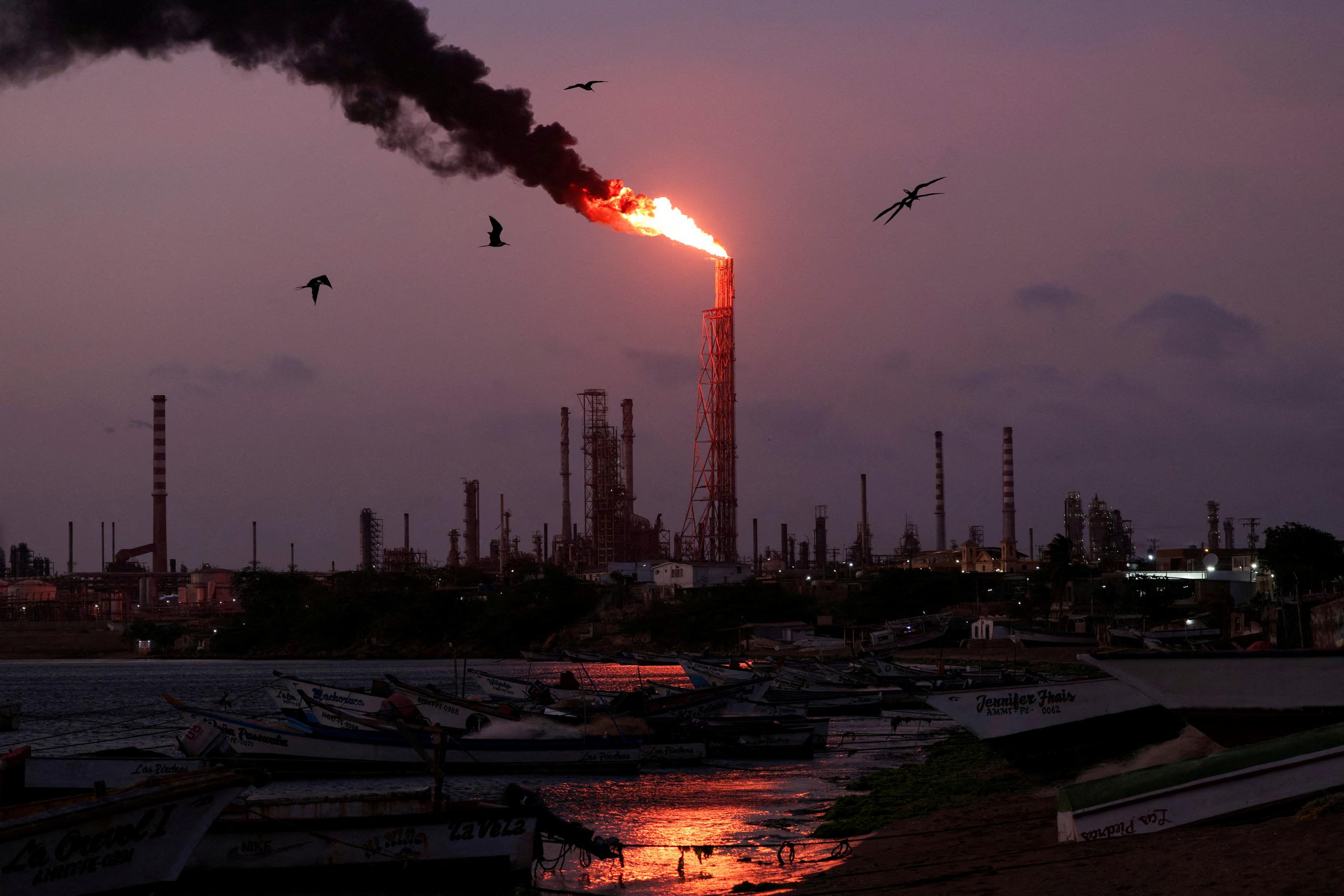
Oil prices closed lower on Monday, driven down by profit-taking after another surge last week, amid hopes of a resumption of diplomatic efforts in the Middle East. The price of a barrel of Brent from the North Sea, for delivery in December, lost 0.78% to 115.81 dollars, after falling to its lowest during the session at 114.00 dollars. Its American equivalent, a barrel of West Texas Intermediate, for delivery the same month, fell 1.46% to $101.76.
“The decline seems mainly linked to profit-taking, traders having preferred to secure part of their gains after a long upward phase,” explains David Morrison, of broker Trade Nation. According to the analysts interviewed, today's downward movement is also linked to hopes of relaunching diplomatic dialogue in the Middle East. Iran and the three member countries of the Mecca defense pact - Saudi Arabia, Pakistan and Turkey - agreed to continue talks after their "first" meeting on Monday in Tehran, Iranian state television reported.
“This is what cut off the market's momentum today, preventing prices from soaring even more,” Robert Yawger of Mizuho USA told AFP. Clash between Houthis and Saudi Arabia Black gold prices, however, remain very high, evolving at levels not seen since the first months of the conflict. “More and more evidence suggests that the United States is likely to attack Iran after the November 3 midterm elections, possibly with the help of Israel,” notes Gregory Brew of Eurasia Group.
The conflict between Yemen's Houthis and the Riyadh-led coalition, which resumed in July and has intensified in recent weeks, is also helping to push prices up. The Houthis once again claimed strikes against Saudi Arabia this weekend and in particular against “pumping stations along Saudi Arabia's East-West oil pipeline,” underlines Arne Lohmann Rasmussen, analyst at Global Risk Management. The Saudi-led coalition announced on Monday that it had intercepted three drones in the Riyadh and southern regions, without specifying their origin.
The benchmark for European gas, the Dutch TTF futures contract, continued to rise and reached a new high since 2022 on Monday, at 97.64 euros per megawatt hour. Exports of liquefied natural gas from the Gulf remain “strongly limited” and “Europe is entering winter with low gas stocks,” says Mr. Rasmussen.
Machine-translated from French
Not cross-checked yet
Only Le Figaro reports this story so far. We show it as a single source until another newsroom confirms it.
- Le Figaro26 Oct, 21:24
| Publisher Le Figaro (established tier) | +76 |
| Summary too short | -6 |
| Total | 70 |
Method: reports are grouped by the words of their headline and summary; each newsroom counts once; figures are read from the reports as published. Nothing here is written by an AI.