Prepare your CV in the age of AI
In the recruitment race, there are those who are pro-AI and those who are opposed to it. Jonathan Gozard tries to qualify its use by highlighting its usefulness in the job market: “77% of candidates today use AI to…
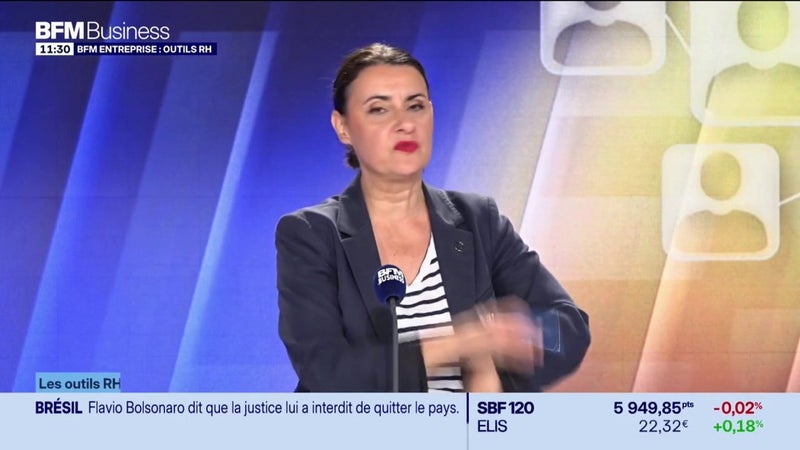
In today's highly competitive job market, artificial intelligence has moved from a futuristic concept to a quotidian tool in the recruiter’s arsenal. Employers, armed with sophisticated screening software, are now able to sift through thousands of applications within minutes, while job seekers are keen to use the same technology to present themselves in the best possible light.
Data from recent surveys shows that an overwhelming 77 % of candidates claim to use AI‑powered solutions when preparing their CVs and cover letters. These tools range from simple grammar checkers to complex resume‑scraping algorithms that suggest keyword optimisation, format tweaks and personalized narratives designed to resonate with hiring software and hiring managers alike.
Jonathan Gozard, a recognised figure in talent‑management circles, argues that the benefit of this trend has been understated. He contends that AI can act as a second pair of eyes, ensuring that key experience is highlighted and that stilted language is ironed out. According to Gozard, the goal is not to replace the human touch but to augment it, providing candidates with a data‑driven first cut that can then be refined by professional recruiters and editors.
Nevertheless, some experts have expressed concerns about the widespread use of AI in recruitment. Critics emphasise the risk of algorithmic bias and the erosion of human nuance in candidate evaluation. They warn that overly algorithmic processes might favour certain demographic profiles or disregard soft skills and culture fit, potentially narrowing the talent pool and reinforcing existing inequalities.
The implications for the broader labour market are significant. For organisations, AI can cut time‑to‑hire and reduce redundancy, lowering labour costs and freeing human resources to focus on strategic tasks. For job seekers, AI-driven optimisation could level the playing field, especially for those with less access to traditional career coaching, but may also drive a new race to the bottom in terms of authenticity and creative self‑presentation.
Looking ahead, the key developments to monitor will be regulatory responses to algorithmic hiring, the evolving best practices for harmonising AI insights with human decision‑making, and the extent to which educational institutions integrate AI skills into curriculum. As these dimensions unfold, both employers and candidates will need to navigate a shifting landscape where technology both empowers and demands greater transparency and fairness.
Machine-translated from French
Not cross-checked yet
Only BFM Business reports this story so far. We show it as a single source until another newsroom confirms it.
- BFM Business27 Oct, 12:54
| Publisher BFM Business (established tier) | +76 |
| Checkable figures cited | +3 |
| Detailed summary | +2 |
| Total | 81 |
Method: reports are grouped by the words of their headline and summary; each newsroom counts once; figures are read from the reports as published. Nothing here is written by an AI.