These energy stocks are poised to profit from an imminent AI power crunch
Bloom Energy and Solaris Energy would benefit from an urgency around securing power to AI developers.
The proliferating use of large‑language models and other artificial‑intelligence workloads has turned power supply from a background utility into a front‑line commodity. The data‑centre sector is now competing for the highest quality, most reliable electricity in order to keep processors running at peak efficiency and to meet increasingly aggressive environmental targets. Investment analysts therefore have begun to look beyond traditional utilities to highlight forward‑looking energy providers whose technology aligns with this new demand driver.
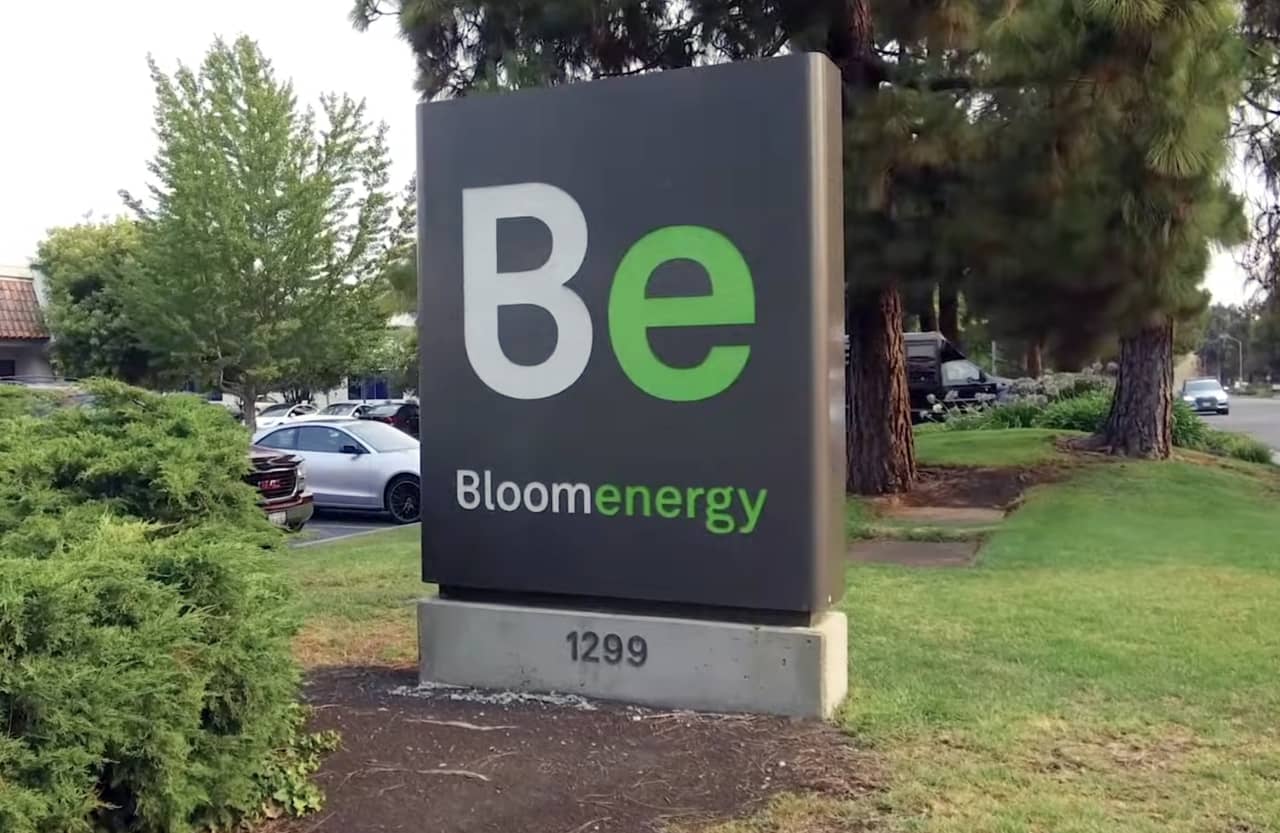
Bloom Energy, known for its solid‑oxide fuel‑cell appliance that can deliver clean, on‑site power, is positioned to capture share of the AI market. AI development hubs often locate near local power grids for both speed of delivery and to sidestep the constraints of inter‑regional transmission. The company’s clients include cloud‑providers and large enterprises that are building or expanding accelerated‑processing clusters, and Bloom’s ability to combine local generation with battery storage is seen as a strategic advantage in ensuring grid stability for compute‑intensive workloads.
Meanwhile Solaris Energy, a rapidly expanding renewable‑energy developer, is targeting the same segment by building regional solar farms that feed directly into data‑centres. Their modular installation model allows rapid scaling and places solar power in proximity to AI‑heavy nodes, reducing latency and transmission losses that can affect performance and reliability. As AI firms commit to greener energy footprints, developers that can deliver both capacity and sustainability are likely to win new contracts.
From a market perspective, the intersection of AI and energy is sharpening the demand curve for low‑carbon, high‑density power solutions. Energy costs are historically a leading component of the operating expense in a data‑centre, and the shift toward artificial‑intelligence workloads, which require broader processing cores and often operate 24/7, is amplifying this pressure. Capital flows are therefore turning toward companies that can supply the specialised infrastructure, and the valuations of firms like Bloom and Solaris are reflecting that exposure.
For investors, the stakes go beyond short‑term profits; they touch on the broader digital‑isation of industry, the transition to renewable grids, and the regulatory environment for emissions and data‑security. Companies that can lock in long‑term supply agreements with AI developers may see an accrual of stable revenue streams, while also avoiding the volatility associated with commodity‑backed power markets.
What will likely shape the upcoming period is the pace of new data‑centre construction, the speed of AI‑related regulatory developments, and the progress of onsite renewable projects in high‑traffic regions. Monitoring order books and corporate announcements from global cloud providers, tracking the roll‑out of fuel‑cell and solar‑farm projects, and keeping an eye on grid infrastructure upgrades will be key to assessing how well these given energy stocks are positioned to reap the benefits of the looming AI power crunch.
Not cross-checked yet
Only MarketWatch reports this story so far. We show it as a single source until another newsroom confirms it.
- MarketWatch26 Oct, 19:10
| Publisher MarketWatch (reference tier) | +82 |
| Total | 82 |
Method: reports are grouped by the words of their headline and summary; each newsroom counts once; figures are read from the reports as published. Nothing here is written by an AI.