5% deficit for Bulgaria, 5.4% for France: it is however the first country that Brussels is preparing to sanction for excessive deficit and not the second
While its public deficit is expected at 5% of GDP, Bulgaria risks a fine of 23 million euros, just a few months after adopting the common currency.
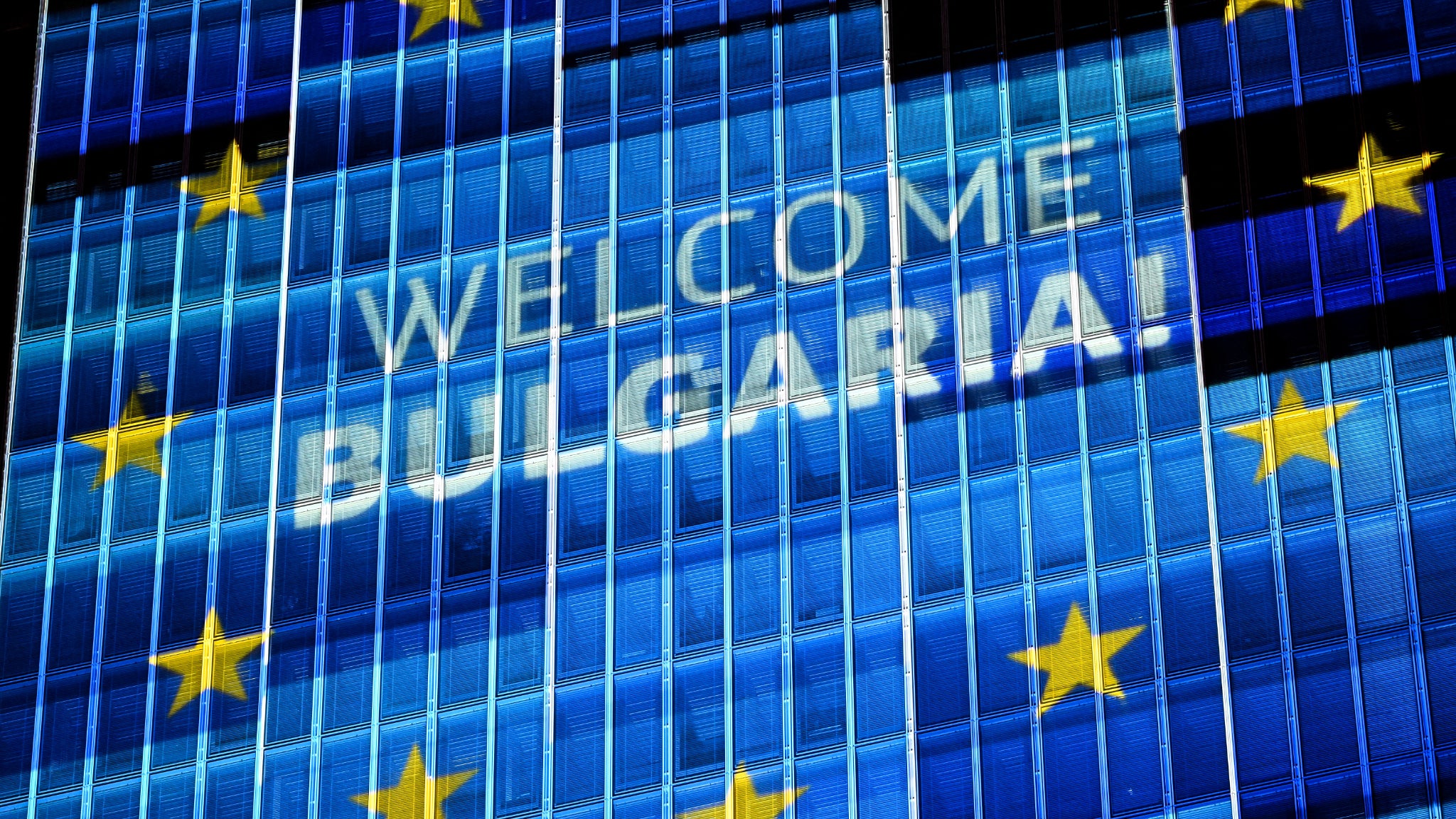
Bulgaria risks being sanctioned by the European Commission because of its excessive public deficit, but not France, Valdis Dombrovskis, the Commissioner for the Economy, explained on Tuesday. “We see that Bulgaria has not taken effective measures to correct this excessive deficit,” declared Valdis Dombrovskis, while the gap between Bulgarian public revenues and expenditures is expected to amount to 5% of the country's gross domestic product (GDP) this year, according to estimates by the European Commission. In terms of deficit, France should do worse (5.4% of GDP in 2026), but at this stage escapes the threat of sanction from Brussels.
The Commission grants a reprieve to Paris, considering that the draft budget presented by the government is taking the right direction, even if its adoption by the National Assembly promises to be very complicated. European rules provide that the public deficit must not exceed 3% of GDP and that the total amount of public debt cannot exceed 60% of GDP. New entrant to the euro Bulgaria is breaking the first rule.
The envisaged fine would amount to 0.02% of Bulgarian GDP (23.2 million euros), but the procedure could go as far as blocking European funding. The final decision is in the hands of EU finance ministers, who are expected to rule in the coming weeks. Bulgaria could be the first country sanctioned, while less than ten Member States meet these criteria (Denmark, Ireland, Sweden, Netherlands...
). The EU reformed its regulatory framework after the pandemic to provide for sanctions that are less costly than before and therefore more easily applicable. “We coordinate with the European Commission, but it does not dictate our conduct.
The Bulgarian government is independent and we act in a way that protects the national interest,” reacted the Bulgarian Minister of the Economy during a press conference. Bulgaria adopted the euro last January, despite very high inflation, flirting with the limits authorized in principle by European rules. The poorest country in the EU, Bulgaria has experienced strong political instability.
The current center-left Prime Minister, Rumen Radev, elected last May, heads the first government in 30 years to have an absolute majority in Parliament. No less than eight legislative elections have been organized since 2021.
Machine-translated from French
Not cross-checked yet
Only BFM Business reports this story so far. We show it as a single source until another newsroom confirms it.
- BFM Business25 Nov, 11:46
| Publisher BFM Business (established tier) | +76 |
| Checkable figures cited | +3 |
| Detailed summary | +2 |
| Total | 81 |
Method: reports are grouped by the words of their headline and summary; each newsroom counts once; figures are read from the reports as published. Nothing here is written by an AI.