The EU proposes a reduced budget of 204 billion euros for the period 2028-2034: "the account is not there", in particular for farmers, according to the Élysée
European Council President Antonio Costa presented on Saturday a new draft EU budget for the period 2028-2034, reduced by 204 billion euros compared to the Commission's initial proposal of 2 trillion euros. The Élysée…
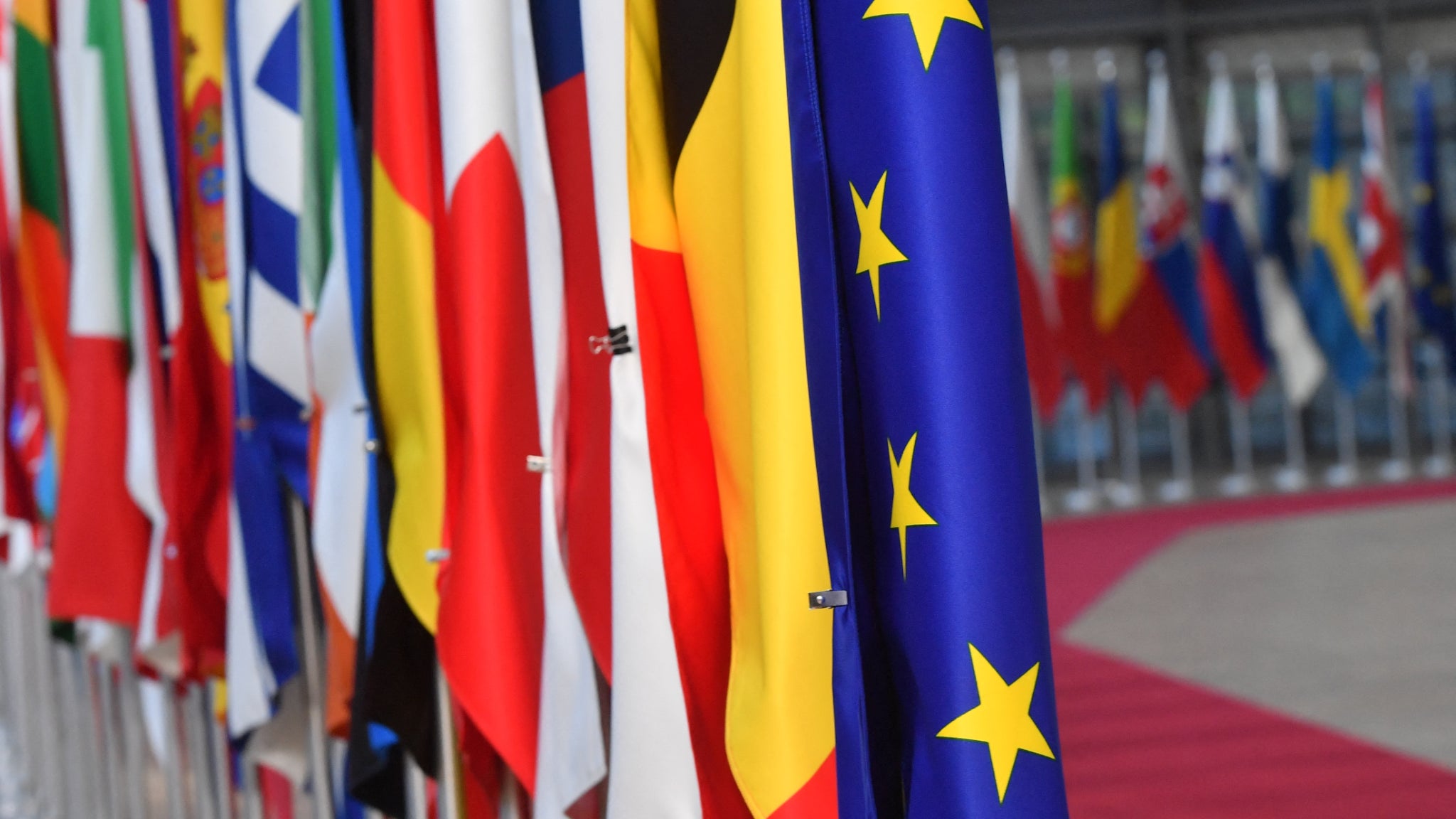
The President of the European Council Antonio Costa presented on Saturday 21 November a new draft EU budget for the period 2028-2034, reduced by 204 billion euros compared to the Commission's initial proposal, which amounted to 2,000 billion euros. He will submit it to the leaders of the Twenty-Seven at a summit organized on Thursday 26 and Friday 27 November in Brussels.
On the menu: larger budget cuts than expected, just to show so-called “frugal” states that they have been heard. Indeed, last month, Ireland - which currently holds the rotating presidency of the European Union - proposed reducing the draft multiannual budget (2028-2034) proposed last year by the European Commission by 140 billion euros (or around 8%). The aim was then to relaunch discussions within the Twenty-Seven, which had been at a standstill for months.
But this was not enough to satisfy the countries of Northern Europe, Germany and the Netherlands in the lead, who continue to demand hundreds of billions of euros in savings to prevent a "massive" increase in their financial contributions to the EU. “The budget must be sustainable for those who pay the majority of it,” insisted German Chancellor Friedrich Merz. Conversely, this Saturday, the Élysée announced that it rejects this new proposal from the President of the European Council, considering that it "does not constitute a basis for an agreement".
“The new negotiation box on the next multiannual European budget is very disappointing. The account is not there, in particular on the CAP (Common Agricultural Policy) and in particular to guarantee income aid for farmers,” said the French presidency. This very firm reaction from France augurs very difficult discussions during the extraordinary European summit to which President Emmanuel Macron will visit Thursday and Friday in Brussels.
A new tax on digital giants To avoid even more drastic budget cuts, Antonio Costa also proposes increasing the tax revenue allocated to the EU, in particular by establishing a tax on digital giants, and another on cryptoassets (like Bitcoin). Enough to go well beyond the 55 billion euros in new revenue proposed by Ireland, which was content to take up proposals for taxes of an environmental nature or even on tobacco, emanating from the Commission. The European Parliament, which opposes tooth and nail a reduction in EU resources, proposed last year to tax the giants of the technological sector, transactions in cryptocurrencies, as well as online games and betting, to fuel the next multi-annual budget.
During a press conference on Wednesday, MEP Siegfried Muresan (PPE, right), co-rapporteur on the budget, stressed that these three new resources "could bring in overall between 18 and 32 billion euros", including "25 billion euros per year" for the digital tax alone. "A narrow budget will be insufficient" and "will leave the EU's problems unresolved", warned the MEP, for whom it would be a "denial" of the challenges that the EU must face. Georg Riekeles, associate director of the Brussels think tank EPC, defends a third and final lever for closing the budget: authorizing the use of common debt of the 27 to finance investments for the future, if the need arises.
An idea that French President Emmanuel Macron also defended. But which also comes up against fierce opposition from the Germans.
Machine-translated from French
Why it is marked verified
2 independent newsrooms report this story. BFM Business published it first, 8 min before the last one.
- BFM Business21 Nov, 14:00
- Le Figaro21 Nov, 14:08
- 204 milliards (BFM Business, Le Figaro)
| Publisher BFM Business (established tier) | +76 |
| Checkable figures cited | +3 |
| Detailed summary | +2 |
| Carried by 2 newsrooms | +5 |
| Total | 86 |
Method: reports are grouped by the words of their headline and summary; each newsroom counts once; figures are read from the reports as published. Nothing here is written by an AI.