But where did the Venezuelan oil money go? Under American control, exports brought in more than $12 billion in nine months, but revenues are missing
Since the capture of Nicolás Maduro in January 2026, Washington has exercised control over the marketing of Venezuelan oil and the management of revenues. But while more than $12 billion was reportedly collected in…
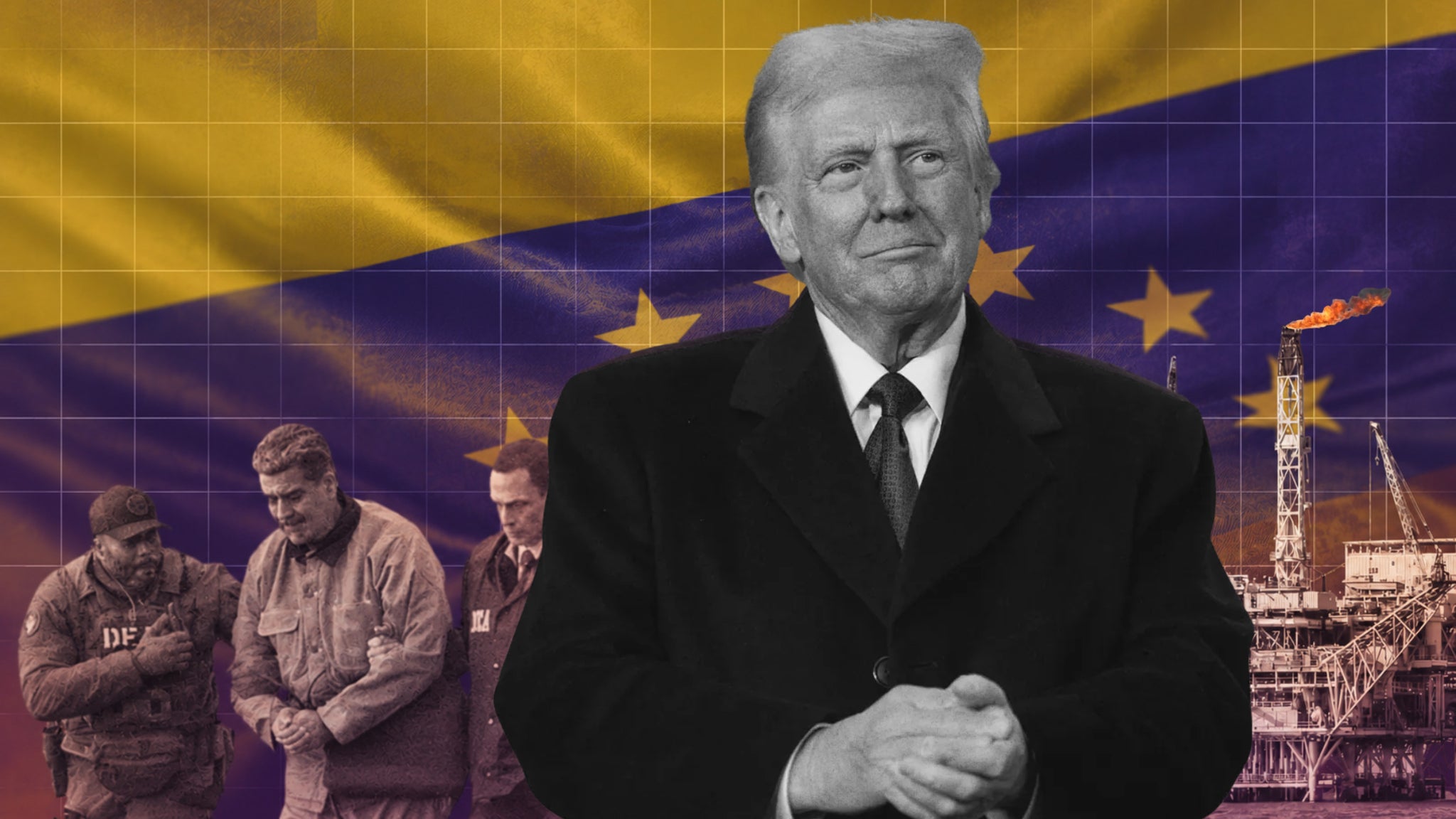
But where did the Venezuelan oil money go? Last January, the United States captured Venezuelan President Nicolás Maduro in a military blitz, sparking geopolitical upheaval in Latin America. Beyond the political shock, this intervention raised a major economic question: who now controls Venezuela's oil resources, and above all, what happens to the revenues they generate?
Venezuela has, in fact, among the largest proven oil reserves in the world. But their exploitation remains complex, due in particular to the nature of the crude oil, which is particularly heavy, and the dilapidated state of the country's oil infrastructure. Since the American intervention of January 3, 2026, the management of the sector has been based on a system under the supervision of Washington.
The interim government is gradually opening exploitation to private companies, while the American authorities exercise direct control over international oil marketing and revenue management. But the destination of this income now raises questions. According to a confidential report from the KPMG firm, consulted by the New York Times, the American government received more than 12 billion dollars from exports of Venezuelan natural resources during the first nine months of the year.
However, the amount of declared revenue is already raising questions. Quoted by the Venezuelan media Efecto Cocuyo, economist José Guerra estimates that, taking into account exported volumes and crude oil prices, Venezuela should have earned between 20 and 21 billion dollars in nine months... or 8 billion more than the sums recorded by KPMG.
“The account is not there,” he summarizes. Part of this gap could, however, be explained by the sales of Chevron, which recovers part of its debt to Caracas directly from its production, as well as those of the local producer Nabep, which would have benefited from a 20% discount. A persistent opacity on the amount of revenue and their use There also remains the question of the price at which the oil was sold.
There is no guarantee that these were “fair prices”, underlines the New York Times. Since the American intervention, two international traders, Trafigura and Vitol, have shared the marketing of Venezuelan crude, raising questions about the conditions of sale and the control of transactions. The final destination of the revenue and the identity of their beneficiaries also remain opaque.
Responsible for monitoring transactions on the special account of the US Treasury, KPMG does not provide detailed guarantees on anti-corruption measures or on the fairness of the prices charged. This lack of transparency is pushing several elected Democrats to call the Trump administration to account for the use of these oil revenues. Having taken control of Congress following the November 2026 midterm elections, Democrats now intend to shed light on the Trump administration's management of Venezuelan oil revenues.
According to CNBC, they are preparing a series of official investigations and subpoenas. For several months, elected Democrats have been asking the White House for a detailed account of the use of revenues from oil exports, without obtaining a satisfactory response. In January, Democratic members of the House of Representatives also alerted companies in the sector "to the legal risks" linked to their participation in the oil agreement with Washington, in particular possible lawsuits from creditors to whom Venezuela and its public entities owe nearly 200 billion dollars.
Agreements questioned by elected Democrats In September, Democratic senators also challenged, in a letter addressed to the Secretaries of Defense and Energy, the legal basis of the agreement concluded with North American Blue Energy Partners (NABEP). At the heart of their questions is, among others, this company, led by Venezuelan businessman Alejandro Betancourt, in which the Pentagon is said to have acquired a 30% stake. According to AFP, NABEP benefits from the opening of the Venezuelan oil sector to private investment to revive the exploitation of Lake Maracaibo deposits, thanks in particular to equipment imported from the United States.
The company has been allocated 17 fields representing a potential of 65 billion barrels and claims to already produce more than 200,000 barrels per day. But this strategic agreement could find itself weakened by the change of majority in Congress.
As soon as it was announced, energy sector analysts warned that it could be called into question in the event of a Democratic victory in the mid-term elections. But in this mess, we can still wonder about the fate of the Venezuelan people, still faced with inflation of 376.9% in October... and who could really use a breath of fresh air thanks to revenues from hydrocarbons.
Machine-translated from French
Not cross-checked yet
Only BFM Business reports this story so far. We show it as a single source until another newsroom confirms it.
- BFM Business22 Nov, 13:12
| Publisher BFM Business (established tier) | +76 |
| Checkable figures cited | +3 |
| Detailed summary | +2 |
| Total | 81 |
Method: reports are grouped by the words of their headline and summary; each newsroom counts once; figures are read from the reports as published. Nothing here is written by an AI.