The country has only built 10% of the power lines it will need: AI is causing consumption to explode, but the United States does not have enough high-voltage lines
Faced with the explosion in demand for electricity, driven in particular by the rise of artificial intelligence, the United States is struggling to develop its electric transport infrastructure. According to a recent…
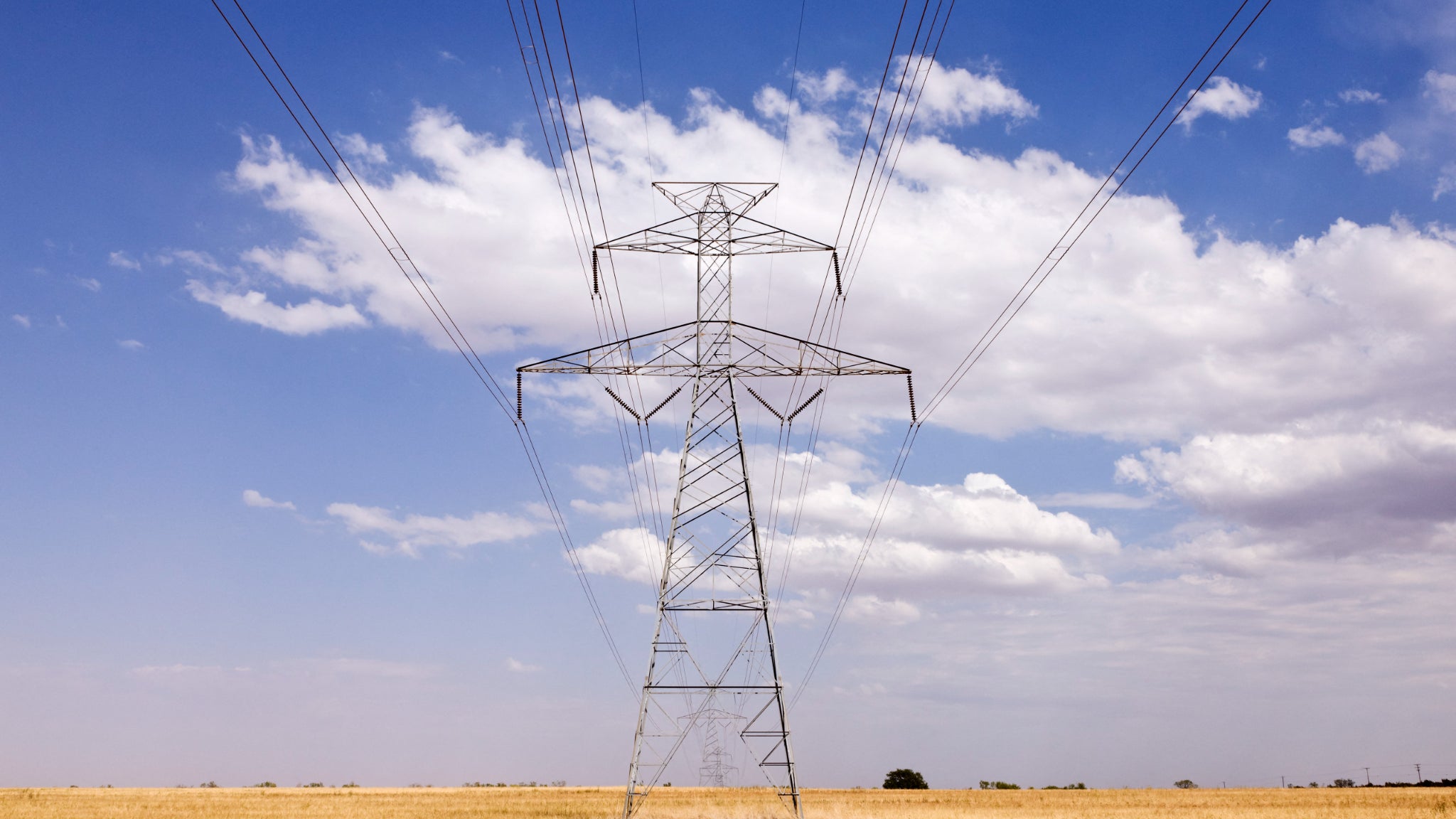
There is electricity in the air around the American energy grid. In an article published in the journal Science, researchers specializing in energy policy from Carnegie Mellon University and the University of California at San Diego warn of the extent of the difficulties facing the United States in terms of electricity transmission, the country facing one of the "most important" bottlenecks in the world in this area. A worrying situation which could have considerable repercussions on the cost of electricity, the reliability of the network and, more broadly, on the economic prospects of the country.
Indeed, while the demand for electricity is growing rapidly, the American electricity network, aging and already heavily stressed, is struggling to keep up. The rise of electric vehicles, the electrification of heavy industry and the rapid expansion of data centers are helping to accentuate this pressure, highlighting the limits of infrastructure which is no longer adapted to the evolving energy needs of the country. Researchers have come to put forward a figure that is worrying to say the least: the United States only builds 10% of the power lines necessary for its needs.
And the delay is particularly marked in the development of high voltage infrastructure. Over the past five years, the country has added only 800 kilometers of lines per year on average, compared to nearly 8,000 kilometers per year needed to triple the capacity of its interregional transport network by 2050.
In other words, the current pace of construction represents barely a tenth of the estimated needs to support future electricity demand. Heavy regulations and a significant delay However, these high voltage lines play an essential role... true electricity highways, they make it possible to transport energy over long distances and to connect the different regional networks.
Better interconnection would thus facilitate trade between territories, reduce costs for consumers and limit the risks of major outages by allowing regions in difficulty to obtain supplies from those with a surplus of electricity. Despite these benefits, the development of the American network still faces significant difficulties. The study highlights that the main obstacles to modernizing the American electricity grid are not technological...
but above all political and regulatory. The approval of large electricity transmission infrastructures indeed involves a multitude of actors (federal agencies, states, local authorities and private companies) whose divergent interests encourage delays and blockages. Added to this are the reluctance of historic distributors, who may see the strengthening of regional interconnections as a threat to their dominant position on local markets.
In other words, it is not so much the capacity to build the network that is lacking as the will and coordination necessary to achieve it. The researchers propose three solutions to avoid the worsening of the American electricity crisis: strengthen the role of federal authorities and deploy modern technologies capable of increasing the capacity of the network, draw inspiration from the successful experiences of other countries and create a national commission responsible for unblocking political and regulatory conflicts. The objective is to accelerate the construction of infrastructure, better coordinate decisions and guarantee a reliable electricity network in the face of increasing demand.
Because the latter should not decrease. According to the latest estimates from the Electric Power Research Institute (EPRI), data center electricity consumption alone, mainly driven by the development of artificial intelligence, is expected to more than triple by 2030 to approximately 649 TWh per year, or nearly 12% of total electricity consumption in the United States.
Machine-translated from French
Not cross-checked yet
Only BFM Business reports this story so far. We show it as a single source until another newsroom confirms it.
- BFM Business29 Nov, 06:30
| Publisher BFM Business (established tier) | +76 |
| Detailed summary | +2 |
| Total | 78 |
Method: reports are grouped by the words of their headline and summary; each newsroom counts once; figures are read from the reports as published. Nothing here is written by an AI.