This hot AI-fueled stock has been in a rut. It just beat earnings expectations by 36%.
A company beating earnings expectations by 36% and revenue expectations by 15% would usually see a postresults bump. But not for Bloom Energy, the fuel-cell maker that has flourished due to data-center demand.
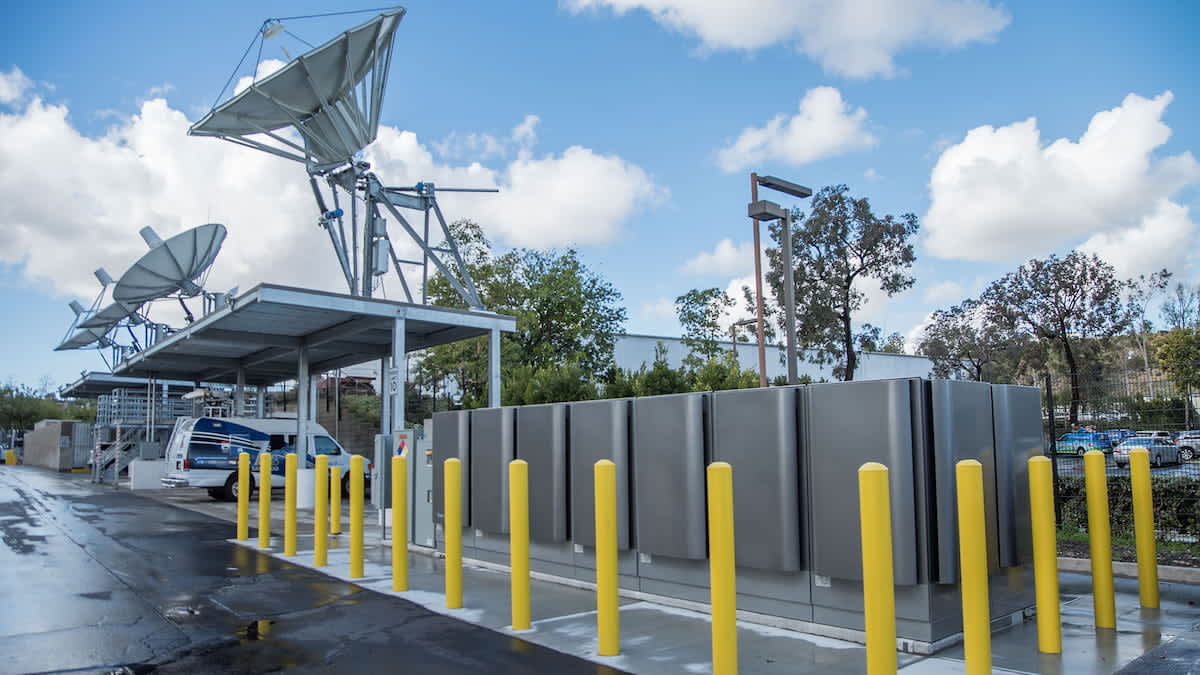
Bloom Energy (BME) has long captured the imagination of investors looking to the convergence of clean energy and the data‑center boom. The company’s fuel‑cell platforms, designed to deliver reliable, low‑carbon power for high‑density computing hubs, became the darling of AI‑driven firms whose computational demands require uninterrupted power supply. Even as the broader market shuffled on a backdrop of rising rates and a tightening economic outlook, Bloom’s profile remained elevated for those tracking greener tech and AI logistics.
In a recent earnings release, Bloom Energy reported a 36% beat on earnings per share and 15% outperformance versus revenue forecasts. For a company that has historically been a favourite among growth‑seeking investors, such a surprise would ordinarily trigger a sharp rally in the stock price, reflecting renewed confidence in the firm’s execution and the appeal of its niche. However, the market has so far shrugged off the upside, leaving the share price largely unchanged and the narrative of a “hot AI‑fueled” play in question.
Several reasons underlie the muted reaction. First, analysts have previously flagged that data‑center power is only a small fraction of Bloom Energy’s overall revenue base. While the company has indeed benefited from the AI wave, the majority of its sales still come from traditional utilities and telecoms, sectors that are less active in the current cycle. Thus, a boost in a single segment is insufficient to alter the company’s valuation fundamentally.
Second, the fuel‑cell business operates on tight margins, and the company’s cost structure has remained stubbornly high in the face of a volatile raw‑material market. Even with a earnings beat, investors may be cooling because the upside is seen as temporary rather than indicative of a transformation in cost competitiveness or scale.
Looking ahead, the key will be whether Bloom can demonstrate sustained revenue growth beyond the data‑center surge and further cost discipline. Watching the company’s guidance for the next quarter, any disclosed plans for new deployments or strategic partnerships, and the trajectory of its utility‑to‑utility contracts will be crucial. A persistent lift in those sectors would shift sentiment towards the stock’s long‑term prospects rather than a short‑term AI‑driven spike.
In the broader context, the story highlights the cautious stance markets often take toward companies that sit at the intersection of emerging technology and traditional infrastructure. The power sector remains unsystematic, with renewables, energy storage, and conventional generators all vying for capital allocation. Until Bloom Energy can convincingly disentangle its growth from the AI-driven data‑center niche and prove scalability, the market may continue to treat the earnings beat as a marginal lift rather than a strategic pivot.