The DPE is not just letters: the heating bill can vary from 960 to 2,600 euros this winter between thermal strainers and better insulated housing
The Energy Performance Diagnosis (DPE) is supposed to classify homes according to their energy consumption and their insulation, with notable differences in the heating bill. But there remain significant disparities…
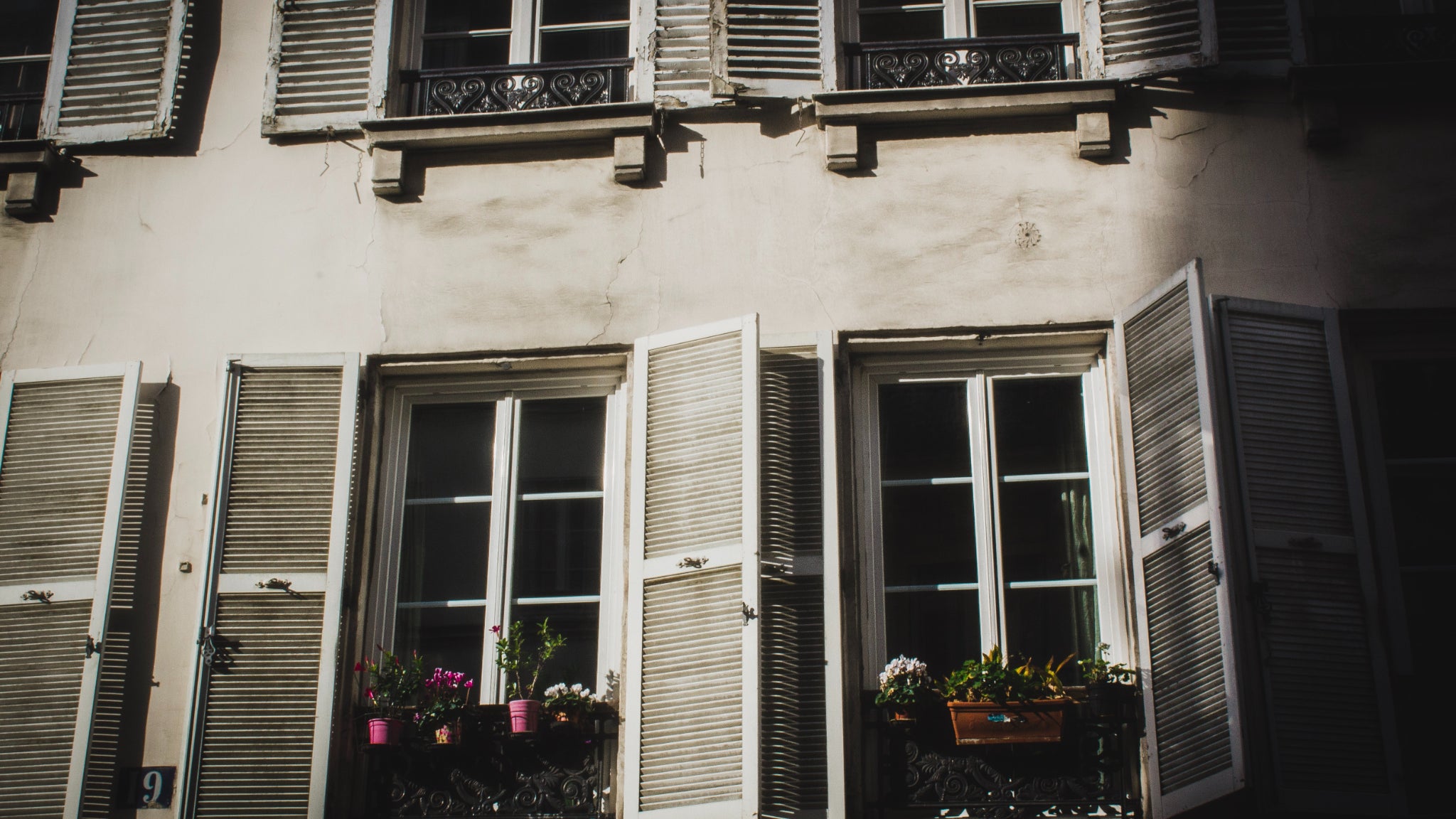
The DPE is an imperfect indicator. However, it is supposed to reflect, thanks to a simple letter going from A to G, the level of energy consumption of your home. The best grades, from A to C, correspond in principle to recent and properly insulated properties, which consume little energy in winter.
While homes rated E to G are considered “thermal sieves”, which consume a lot of energy, which weighs on your heating bills. The latter are currently the subject of debate: since 2021, they have been gradually withdrawn from the rental market, because they are considered “not decent” from an energy point of view. However, this housing is missing from the market, according to several political parties.
The government therefore proposes to put them back on the market temporarily and on condition that work is carried out by the owners. Last week, the National Rally went further: deputies adopted an amendment aimed at removing all rental bans relating to DPE. This amendment integrates the Housing Recovery bill, which will be presented to the vote this Tuesday, November 24.
If adopted, the text will still have to pass the stage of the Joint Joint Commission, between deputies and senators, before it can be adopted. A saving of 680 euros for an apartment and 1,600 euros for a house These debates raise several questions.
First, that of the repercussions on tenants' energy bills. The differences are indeed significant between the labels. The Argile platform, specializing in energy renovation diagnostics using artificial intelligence, has published a study to this effect.
According to her, the gas bill for an apartment classified as T2 of 35 to 55 m² will be on average 1,568 euros this winter (from November to March) for accommodation classified G and heated with gas, compared to 886 euros for a class D. This represents a saving of more than 680 euros (-77%) compared to poorly insulated accommodation.
This, after having applied a correction coefficient, supposed to give the real consumption of the inhabitants. And its observation is the same for a detached house of 90 to 130 m²: its heating bill is estimated, for this winter 2026, at around 2,611 euros for a house classified G, compared to 965 euros for a house classified D.
That is a difference of more than 1,600 euros (-59%) on the invoice. To carry out its study, the platform analyzed the data published by Ademe, analyzing the DPE of nearly 8.6 million housing units, built between 2024 and 2026.
Among them, more than 728,000 are classified F and G. And yet, there remain, with the same rating, notable differences between gas and electricity. There are therefore, on average, significant differences in consumption between the labels.
However, with equal labels, there are also notable differences. Let's take two equivalent homes, both classified G: one heated with electricity consumes much less kWh than the other heated with gas. This is explained by the calculation of the DPE, via the primary energy coefficient, which penalizes homes heated with electricity.
According to the Argile platform: "The DPE label is calculated in primary energy, and each kWh of electricity counts for 1.9 kWh, compared to 1 for gas and fuel oil." Thus, "to be classified G, an electric home consumes much fewer kWh than a gas home: 280 kWh per m² per year on median, compared to 463 for gas and 399 for oil." This in fact penalizes homes heated with electricity, which see their rating degraded in relation to their actual consumption.
This lower consumption is also explained, according to Argile, by the absence of heat losses for electrical energy (as can be seen on gas or oil boilers). But also by “a more marked gap between DPE and actual bill in electric G housing”. The DPE "mixes all the problems" In the end, the method of calculating the DPE is indeed an issue: it gives information on the energy consumption of housing, but these vary depending on the energy mode.
Furthermore, the DPE devotes a section to “summer comfort”, but this aspect does not influence the final grade. Which can lead to confusion. According to Marc Lebel, manager of the Jinka ad platform, “the DPE, which is a single letter, tries to solve several problems.
(...) However, he mixes them. I call for a paradigm shift, to change indicators so as not to mix them all up.”
In September, the Minister of Housing, Vincent Jeanbrun, recognized that “there is a huge subject before us around summer comfort DPE”. Indicating that he was going to initiate “working meetings” on this specific subject with the Ministry of Ecological Transition. But the timetable is too tight: the subject will be transmitted to the next government, after the presidential election.
Machine-translated from French
Not cross-checked yet
Only BFM Business reports this story so far. We show it as a single source until another newsroom confirms it.
- BFM Business24 Nov, 05:59
| Publisher BFM Business (established tier) | +76 |
| Detailed summary | +2 |
| Total | 78 |
Method: reports are grouped by the words of their headline and summary; each newsroom counts once; figures are read from the reports as published. Nothing here is written by an AI.