Electricity, insurance and eggs: see how has life in Australia got more expensive
Our inflation explorer tracks how prices have risen – or fallen – since 2022 Get our breaking news email , free app or daily news podcast It has been nearly five years since inflation crashed on to Australia’s shores,…
Electricity, insurance and eggs: see how has life in Australia got more expensive Our inflation explorer tracks how prices have risen – or fallen – since 2022
Get our breaking news email , free app or daily news podcast
It has been nearly five years since inflation crashed on to Australia’s shores, as a rebounding post-Covid economy collided with a world of constrained supply.
The global cost-of-living crisis – or affordability crisis, as the Americans call it – has shaped our world from 2022 onwards.
It was also the year that Russia invaded Ukraine, triggering the first of two global energy shocks.
The second energy shock, of course, arrived this February, when the United States and Israel decided to go to war with Iran.
It’s in no small part due to the ongoing Middle East conflict, and the associated surge in fuel costs, that inflation in Australia jumped to 4.3% in the year to September.
While we remain focused on the dramas of 2026, it’s worth taking a longer-term view on how cost-of-living pressures have accumulated in recent years.
For example, fuel costs have risen by more than 20% in the past year, but over the longer term they have matched overall inflation (which is still a pretty big increase).
Our inflation explorer tracks all the categories included in the Australian Bureau of Statistics’ consumer price index.
Our interactive chart shows inflation has climbed 23% since the end of 2021.
But which goods and services have soared by more than that over recent years, and which haven’t?
You can explore the data at your own pace, but here are some highlights.
No surprise that electricity is among the costs that have increased the most. Household power bills are up by 35% since the start of 2022.
The chart shows the zigzagging line as federal and state government subsidies have turned on and off. It’s clear also that these subsidies, while welcome at the time, did nothing to change the upwards trend. Relatedly, gas is also up 49%.
Another cost that is hard to avoid is insurance, and the chart shows premiums have surged by 46% in nearly five years. Rental costs are 27% higher. Homebuilding costs are 36% higher.
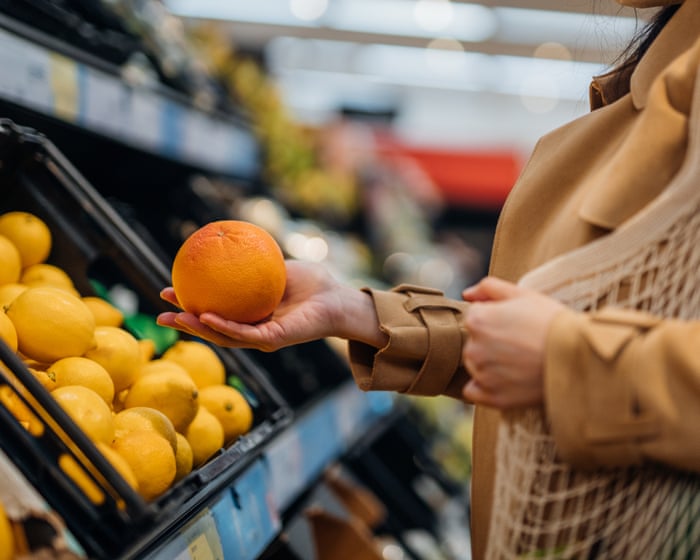
Postal services are up 40%. Speaking of essentials, supermarket staples like oil and eggs have increased by more than 40%, and bread, milk and fruit prices are up more than 30% in five years.
On the upside, chicken and vegetables have increased by less than inflation.
Not cross-checked yet
Only The Guardian reports this story so far. We show it as a single source until another newsroom confirms it.
- The Guardian28 Oct, 15:00
| Publisher The Guardian (reference tier) | +82 |
| Detailed summary | +2 |
| Total | 84 |
Method: reports are grouped by the words of their headline and summary; each newsroom counts once; figures are read from the reports as published. Nothing here is written by an AI.