Oil: why the Strait of Hormuz will lose its strategic role
The war in Iran is irrevocably transforming global hydrocarbon markets, details the International Energy Agency in its annual report.
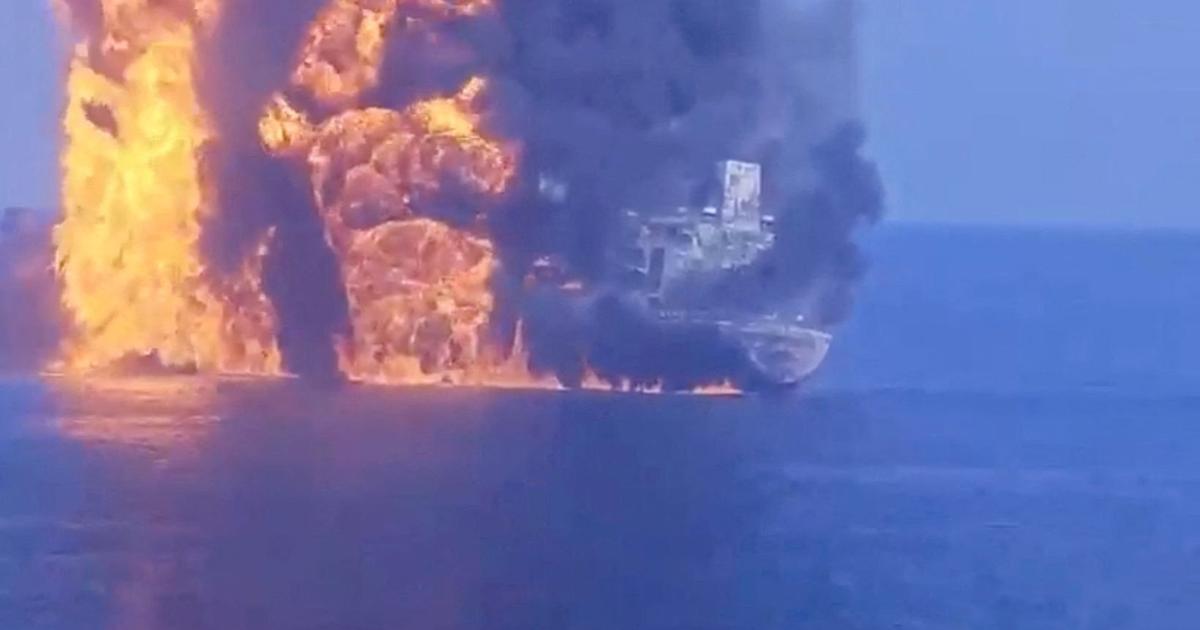
The observation is clear. The Strait of Hormuz, through which nearly 20% of the world's oil transited before the Iranian war, will probably never regain its strategic pre-eminence. “I do not see any credible path for the energy world to return to the situation before the war in Iran,” says Fatih Birol, director of the International Energy Agency (IEA).
The organization, based in Paris, which is a reference in the sector, publishes its annual report this Thursday examining several scenarios for the coming years. “The Hormuz crisis caused a huge shock within the system. Although the energy sector and the global economy have demonstrated considerable resilience, the longer the crisis lasts, the more profound its effects will be,” he adds.
Only 2 million barrels per day in the strait If the risks weighing on maritime traffic in the Strait of Hormuz continue and if means of circumvention and alternative sources of supply develop, the strait will only see 2 million barrels per day (Mbd) pass through in 2035, compared to nearly 20 million before the conflict. This will not prevent the Middle East from remaining the world's leading exporter of oil to international markets, predicts the IEA in its “World Energy Outlook 2026”. » READ ALSO - Minus 20% since October: can the spectacular fall in oil prices last?
This reorganization of oil routes requires significant investments. Oil pipeline projects representing a total capacity of around 7 Mbd are under construction or under study to allow Gulf producers to export without using the strait, which Iran has used as a powerful strategic lever. Making them will require some $40 billion, which would add about $2 to the cost of each barrel exported from the Middle East.
A barrel of Brent was worth 90.8 dollars on Wednesday evening after a renewed fever at the end of October, at 115 dollars. Bypass Hormuz, without ignoring the Middle East. In the immediate future, the cost of the shock is increasing. The energy system has weathered cumulative supply losses of 2.8 billion barrels of oil and 60 billion cubic meters of gas from the Gulf.
But as available gas and oil reserves dwindle, consumers absorb an increasing share of the market adjustment through high prices. Diesel, an essential fuel for transport and economic activity, has come under extreme pressure, with prices exceeding $200 per barrel. The blockage of the Strait of Hormuz and soaring prices have led to a drop in demand for oil.
The IEA estimates it at 3.7 Mbd between March and October and at 2.6 Mbd over the whole of 2026. It is in the Middle East that the destruction of demand was the strongest (-10%). In Asia, it is estimated at 5% and in Europe at 2.3%.
» READ ALSO - On the sidelines of a draft agreement with Oman, the Iranian trap closes on the waters of Hormuz However, "it is encouraging for the future to note that energy security and energy transitions have never been so closely linked", underlines the report. Diversifying supplies, trade routes and technology production chains, prioritizing resources available on a national territory and accelerating electrification are all areas accelerated by the war in Iran which converge with the objectives of reducing greenhouse gas emissions.
Machine-translated from French
Not cross-checked yet
Only Le Figaro reports this story so far. We show it as a single source until another newsroom confirms it.
- Le Figaro19 Nov, 06:00
| Publisher Le Figaro (established tier) | +76 |
| Total | 76 |
Method: reports are grouped by the words of their headline and summary; each newsroom counts once; figures are read from the reports as published. Nothing here is written by an AI.