The keys to understanding the Korean Stock Exchange, an atypical market disrupted by AI
Between January and June 2026, the Kospi index rose from 4,300 to 9,100 points, before falling back to 5,000 points. How can we explain this sudden reversal of trend? Our explanations on a little-known market.
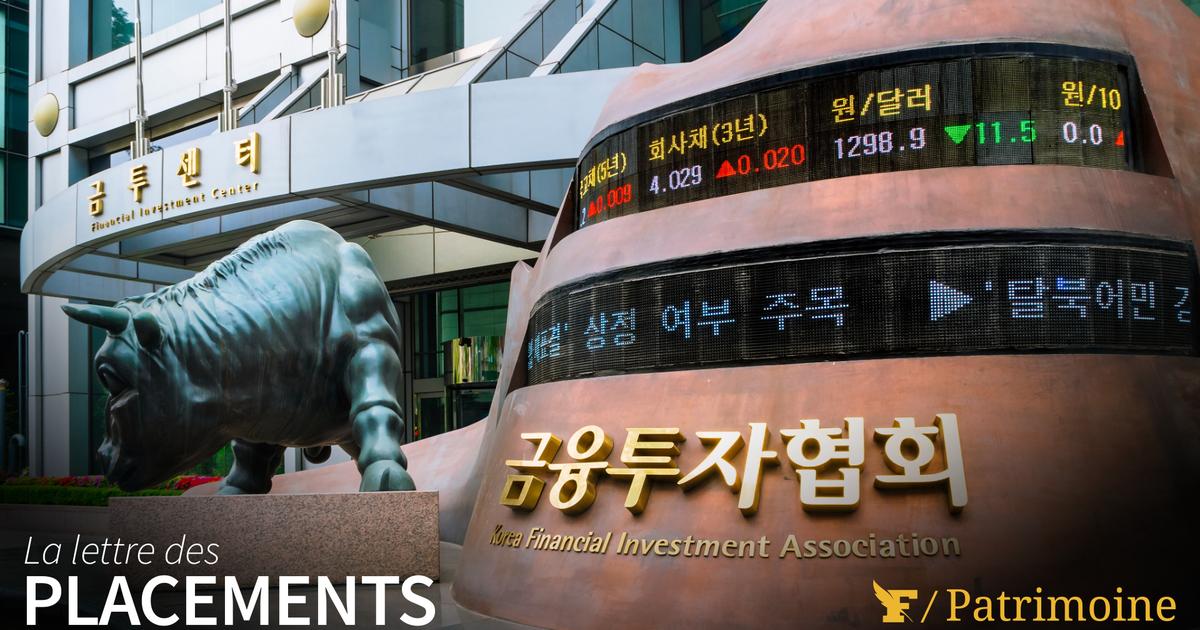
À moins de quatre fois les bénéfices attendus sur les douze prochains mois, la Bourse de Séoul se paie moins cher… que le marché pakistanais. Comment expliquer un PER (Price earning ratio, c’est-à-dire le rapport du cours d’une action sur le bénéfice correspondant) si faible, surtout à l’échelle d’un indice où les risques sont répartis entre de nombreuses entreprises ? Les actions sud-coréennes – il n’existe pas de Bourse en Corée du Nord – seraient-elles l’affaire du siècle ?
Pas si vite. Dès juin dernier, l’argument de la faible valorisation de ce marché riche en actions technologiques semblait convaincant : et pourtant, il a dévissé de plus de 40 % depuis lors. L’affaire du siècle ?
Mais qu’achète-t-on au juste quand on investit dans le Kospi (Korea Composite Stock Price Index) ou le MSCI Korea ?
Machine-translated from French
Not cross-checked yet
Only Le Figaro reports this story so far. We show it as a single source until another newsroom confirms it.
- Le Figaro21 Nov, 10:00The keys to understanding the Korean Stock Exchange, an atypical market disrupted by AI ↗Figures: 9.1 points · 5 points
| Publisher Le Figaro (established tier) | +76 |
| Checkable figures cited | +3 |
| Detailed summary | +2 |
| Total | 81 |
Method: reports are grouped by the words of their headline and summary; each newsroom counts once; figures are read from the reports as published. Nothing here is written by an AI.